
Mexican jumping beans sound like something from a cartoon: little brown beans that twitch, roll and occasionally hop across a tabletop. But their secret is wonderfully real—and a little buggy.
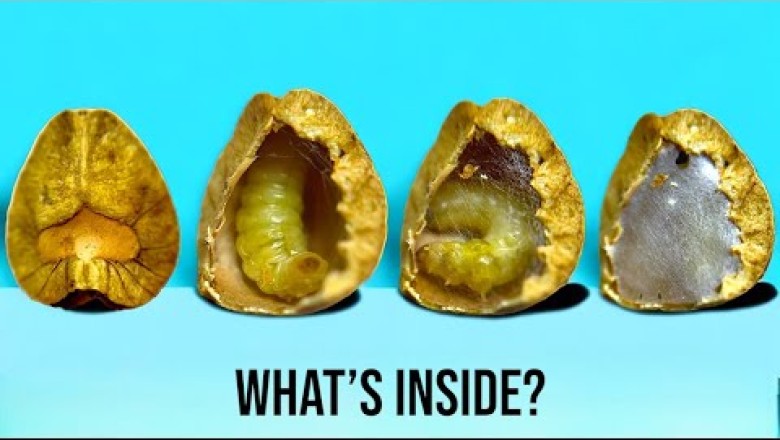
Despite their name, Mexican jumping beans aren’t beans at all. They are sections of seed capsules from shrubs that grow in Mexico. Their movement comes from a tiny moth larva living inside. So that souvenir is also somebody’s house!
The story begins when a moth lays its eggs on the developing plant. After hatching, a larva burrows inside a seed capsule, eats the seed’s interior and settles into its protective shelter. As it grows, it lines its home with silk.
When the larva moves sharply against the capsule’s walls, the entire package jerks or “jumps.” Warmth encourages this activity, helping the insect move away from dangerously hot conditions and toward shade. That amusing tabletop dance is actually a survival strategy.
Do people eat Mexican jumping beans? They’re sold as curiosities and living novelties, not food, and shouldn’t be eaten. They have no culinary connection to familiar beans such as pinto, black or kidney beans.
Eventually, the larva pupates and emerges as a small moth, leaving its unusual home behind. The jumping stops—but the mystery has wings.