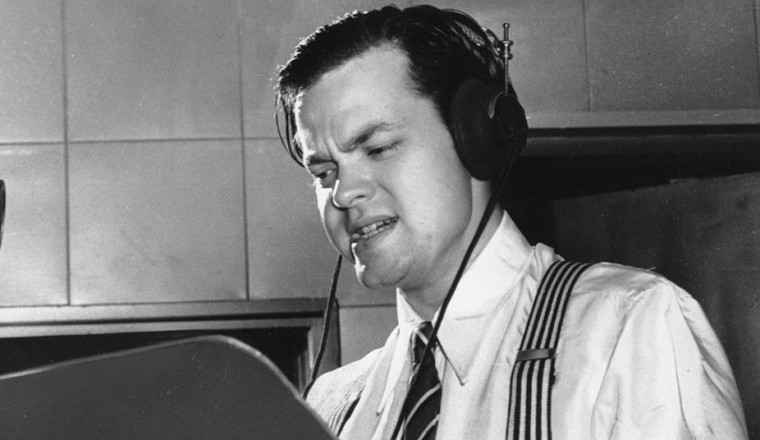

He rose to prominence in 1938 with his radio adaptation of The War of the Worlds, which caused a national sensation due to its realistic depiction of an alien invasion. His transition to film brought even greater acclaim with Citizen Kane (1941), a landmark in cinematic history. Welles co-wrote, directed, and starred in the film, which is widely regarded as one of the greatest ever made for its narrative structure, technical mastery, and thematic depth.
In addition to Citizen Kane, Welles directed other notable films, including The Magnificent Ambersons (1942), Touch of Evil (1958), and The Lady from Shanghai (1947). His career, however, was often marred by struggles with studio interference and financial challenges, which left many of his projects incomplete or compromised.
Beyond film, Welles was a pioneer in theater, founding the Mercury Theatre and staging innovative productions like an all-Black cast Macbeth (1936) and a modern-dress Julius Caesar (1937). He also worked in television and continued to act, direct, and write throughout his life.
Despite the ups and downs of his career, Welles' visionary contributions to storytelling and filmmaking earned him numerous accolades, including an honorary Academy Award in 1971. His legacy as one of the most influential figures in 20th-century art and culture remains firmly intact.
What casual movie watchers might not know about famed director, Orson Welles is that he was a child prodigy and a legitimate genius. Not only did he turn down a full scholarship to Harvard University, but he also boasted an amazing IQ score of 185, higher than Einstein, Hawking, and even Copernicus!