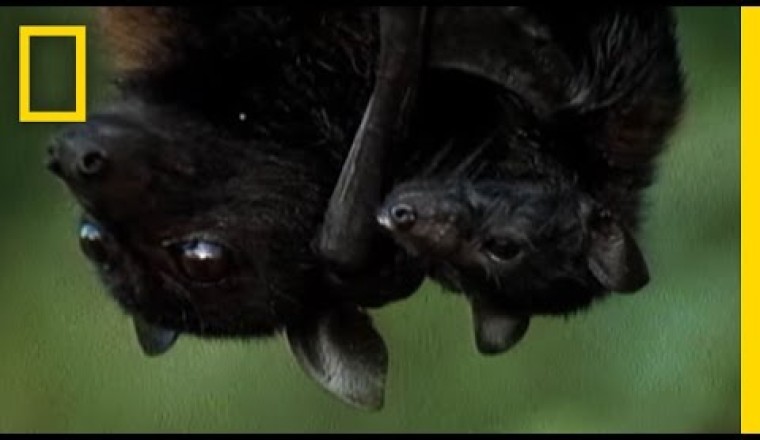

With their giant wingspans, flying foxes are the world's biggest bats. Australia's black flying foxes are a prime example, with wingspans up to six feet (two meters)!
SPECIFICS
Physical Features:
- Size: It has a wingspan of up to 1.7 meters (5.6 feet) and weighs between 0.7–1.2 kilograms (1.5–2.6 pounds).
- Appearance: Its name comes from the golden fur on its crown and the blackish-brown fur on the rest of its body. It has large eyes and no tail.
Habitat:
- Location: Endemic to the Philippines, found primarily in forested areas.
- Environment: Prefers lowland and montane forests, often roosting in high trees near rivers or in mangrove swamps.
Behavior:
- Diet: A frugivore, it feeds mainly on fruits like figs, making it a vital seed disperser for forest ecosystems.
- Activity: Nocturnal; active at night and rests during the day in large colonies.
- Roosting: Known for roosting in colonies that can number in the hundreds or thousands.
Conservation Status:
- Threats: Habitat loss, hunting, and deforestation are primary threats. The bat is often hunted for its meat and as a trophy.
- Status: Listed as Endangered by the IUCN Red List.
- Importance: Plays a crucial ecological role in maintaining forest health through pollination and seed dispersal.
Fun Fact:
Despite their intimidating size, these bats are gentle, shy creatures that pose no threat to humans and prefer to avoid contact.
Habitat, Diet and Conservation
Habitat:
- Range: This species is endemic to the Philippines, meaning it is found nowhere else in the world. It resides on several islands, including Luzon, Mindoro, and Mindanao.
- Preferred Environment:
- Lowland tropical rainforests.
- Mangrove forests near coastal areas.
- Montane forests (up to 1,100 meters above sea level).
- Roosting Sites:
- Large, old-growth trees are their favored roosting spots.
- They often share roosting areas with other bat species, like the large flying fox (Pteropus vampyrus).
The destruction of these habitats, primarily for agriculture and urban expansion, poses a significant challenge to their survival.
Diet:
-
What They Eat:
- Primarily fruits, with a particular fondness for figs (Ficus species).
- Also consume other native fruits, nectar, and flowers.
-
Role in the Ecosystem:
- As a frugivore, this bat is a key seed disperser. By eating fruit and excreting seeds far from the parent trees, they help maintain and regenerate forests.
- They also contribute to pollination, supporting the reproduction of many tropical plant species.
Conservation Efforts:
-
Current Status: Listed as Endangered on the IUCN Red List, meaning it faces a very high risk of extinction in the wild.
-
Threats:
- Deforestation: Rapid loss of forests due to logging, agriculture, and development.
- Hunting: Despite legal protections, it is still hunted for bushmeat and as a delicacy.
- Climate Change: Alters the availability of fruiting trees and increases the risk of storms that damage roosts.
-
Protection Efforts:
- Legislation: Protected under Philippine wildlife laws, making hunting and trade illegal.
- Reforestation Programs: Initiatives to restore forest habitats critical to the bats' survival.
- Community Involvement: Education campaigns encourage local communities to protect bats as essential to forest health.
- Research and Monitoring: Organizations like Bat Conservation International work to understand and safeguard their populations.
How You Can Help:
- Support reforestation and conservation organizations.
- Raise awareness about the importance of fruit bats in maintaining ecosystems.
- Advocate for stronger enforcement of anti-hunting laws in the Philippines.