
Tootsie Rolls may be chewy, chocolatey, and oddly resilient, but behind every sticky bite lies a story of American innovation, perseverance, and sweet, sweet survival.
Born in the Gilded Age
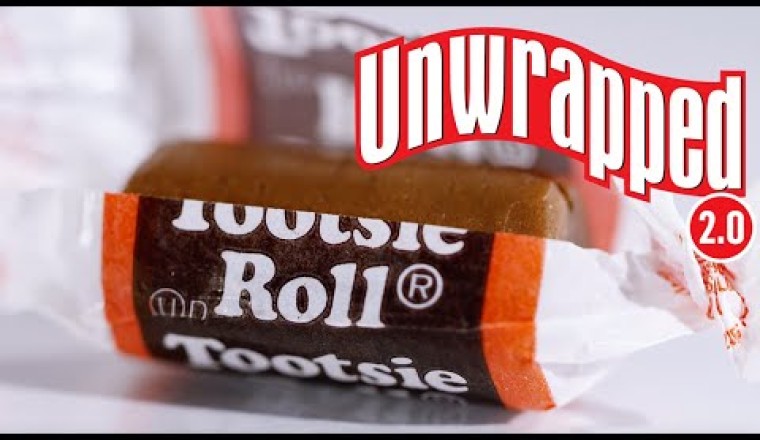
Tootsie Rolls were invented in 1896 by Austrian immigrant Leo Hirschfeld, who worked for a small New York candy shop. He named the confection after his daughter, Clara—nicknamed “Tootsie.” Hirschfeld’s goal was to create a chocolate-tasting candy that wouldn’t melt in your pocket. The result? A unique mix of cocoa, sugar, and a taffy-like texture that could endure all seasons.
What set it apart early on was not just the flavor, but the packaging. Tootsie Rolls were the first penny candy to be individually wrapped in wax paper, making them more hygienic and convenient—a huge leap forward in candy technology.
Wartime Hero
During World War II, Tootsie Rolls found their way into U.S. soldiers’ rations. They were durable, had a long shelf life, and could survive extreme temperatures—basically the cockroach of candies, but delicious. The military even air-dropped them to troops in need of quick energy. For many GIs, the little brown chew became a taste of home.
The Rise of the Roll
By the mid-20th century, Tootsie Roll Industries had grown into a confectionery giant, eventually gobbling up brands like Charms Blow Pops, DOTS, and Junior Mints. Despite the rise of flashy, high-fructose candies in neon wrappers, the humble Tootsie Roll held its ground with good old-fashioned nostalgia and gumption.
Still Rolling
Tootsie Rolls are still made today using a “continuous batch” process—meaning a little bit of every new batch contains a piece of the original. So yes, if you eat a Tootsie Roll in 2025, you’re chewing on candy history.
And let’s face it: it may not be everyone’s favorite, but there’s always a Tootsie Roll lurking at the bottom of a Halloween bucket, waiting to be unwrapped… and maybe reluctantly enjoyed.