

Unlike many traditions that view death only with sadness, Mexicans see this day as a time to celebrate life, memories, family, and the connection between the living and the dead.
The origins of Día de los Muertos go back thousands of years to the ancient civilizations of Mexico, including the Aztec and other Indigenous cultures. These communities believed that death was not the end of life but a natural part of the human journey. They held ceremonies to honor ancestors and believed that the souls of the deceased could return to visit their families.
After the arrival of Spanish settlers in the 16th century, Indigenous traditions blended with Catholic celebrations such as All Saints’ Day and All Souls’ Day. Over time, these influences combined to create the modern Día de los Muertos celebration that is practiced throughout Mexico today.
The festival is mainly celebrated on November 1st and November 2nd.
- November 1st (Día de los Angelitos) is dedicated to remembering children who have passed away.
- November 2nd (Día de los Muertos) honors deceased adults and ancestors.
What Do People Do on Day of the Dead?
🌼 1. Creating Ofrendas (Altars)
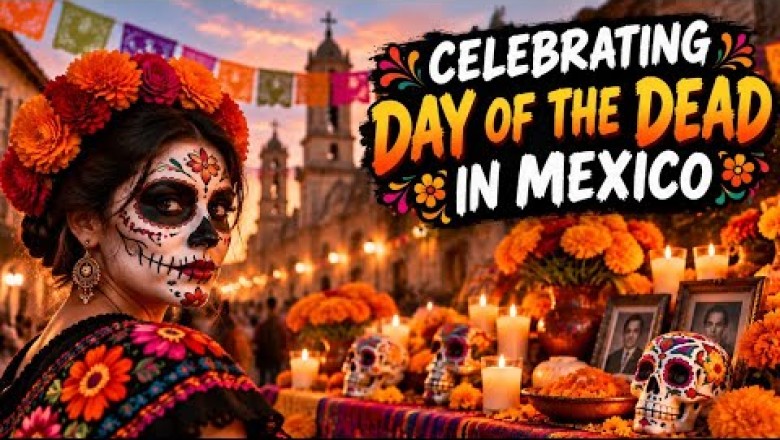
One of the most important traditions is creating an ofrenda, a special altar dedicated to loved ones who have died. Families decorate these altars with:
- Photographs of family members
- Candles
- Marigold flowers
- Favorite foods and drinks of the deceased
- Personal belongings and meaningful objects
The ofrenda represents love, respect, and remembrance. Families believe it helps welcome the spirits of their loved ones back for a special visit.
🌼 2. Decorating with Marigold Flowers (Cempasúchil)
The bright orange marigold flower, known as cempasúchil in Mexico, is one of the main symbols of Día de los Muertos. Its strong color and fragrance are believed to guide the spirits of loved ones back to their families.
🌼 3. Visiting Cemeteries
Families often visit cemeteries to clean and decorate graves. They place flowers, candles, and decorations around the graves and spend time remembering their loved ones.
Many families also share stories, play music, and celebrate together near the graves as a way of keeping memories alive.
🌼 4. Preparing Traditional Foods
Food plays a very important role during the celebration. Popular foods include:
Pan de Muerto (a traditional sweet bread made especially for this festival)
Sugar skulls (Calaveras de azúcar)
Traditional Mexican dishes
The favorite meals and drinks of deceased relatives
Food is placed on altars as an offering and also shared among family members.
🌼 5. Wearing Traditional Clothing and Face Painting
During Día de los Muertos, many people wear colorful traditional clothing and paint their faces as calaveras (decorated skulls). The skull designs are not meant to be scary; instead, they represent the beauty of life and the acceptance of death as a natural part of existence.
The famous La Catrina skeleton figure has also become a major symbol of the festival, representing Mexican culture, art, and the idea that death connects everyone equally.
Why Do Mexicans Celebrate Day of the Dead?
Día de los Muertos is celebrated because Mexican families believe that remembering loved ones keeps their stories and memories alive. It is a day of love, respect, and gratitude, where people celebrate the lives of those who are no longer physically present.
The festival teaches an important message:
“Death is not the end of love. Through memories, traditions, and stories, our loved ones continue to live with us.” 🇲🇽🌼