

Escaping slavery was the beginning of a new set of challenges. Where could you find water and grow food? How could you tell when soldiers were coming? Where could you raise children without the threat of being captured and enslaved again? Across the Caribbean and the Americas, self-liberated Africans and their descendants answered these questions by building communities of their own. They are known as Maroons, and some of the communities they founded are still home to their descendants.
The word Maroon is generally traced to the Spanish cimarrón, meaning “wild.” Historians use maroonage to describe escape from slavery, including temporary absences and departures that led to permanent settlements. Some groups were small and moved as danger approached. Others established villages that lasted for generations. Mountains, swamps, and dense forests offered protection because people who knew the terrain could travel routes that were difficult for pursuers to follow.
How Maroons built and defended their communities
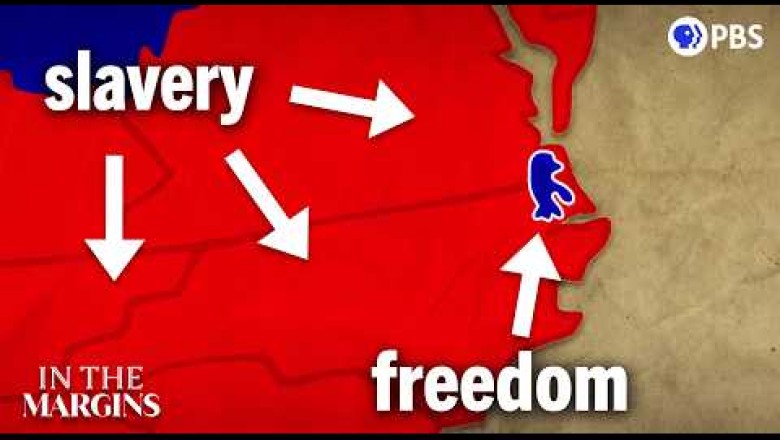
Maroon settlements took different forms depending on the landscape. In Jamaica’s eastern mountains, a network of trails connected settlements and hiding places. In the Great Dismal Swamp, which straddles Virginia and North Carolina, freedom seekers found refuge on pockets of higher ground surrounded by wetlands. Some people passed through the swamp, while others made a life there. The area’s history also includes Indigenous people and free people of color, whose presence helps explain how much more connected these places were than their remote locations might suggest.
Jamaica’s Queen Nanny helped lead the Windward Maroons in their resistance to British colonial forces. Old Nanny Town served as a base in the mountains, and Jamaica honors her today as a National Hero. At Moore Town, her legacy lives alongside traditions such as Kromanti ceremonies, which bring together song, dance, and drumming. The community also preserves the abeng, a horn used to send signals across distances. A sound that could carry across the mountains became part of the heritage passed down through generations.
Military resistance sometimes brought colonial authorities to the negotiating table. In Jamaica, a 1739 treaty with Maroons led by Cudjoe recognized their freedom and granted land. It also required them to return people who escaped slavery afterward. The agreement helped secure the community’s future while placing it in a painful position toward people seeking the same freedom its members had fought for. In Suriname, Dutch colonial authorities made peace with the Ndyuka, also known as the Okanisi, in 1760 and with the Saramaka in 1762.
From Brazil to the Indian Ocean
In Brazil, communities founded by people who escaped slavery became known as quilombos. Palmares, a group of settlements in northeastern Brazil, endured through much of the 1600s. Its best-known leader, Zumbi, became a symbol of Black resistance. In Colombia, San Basilio de Palenque grew out of the tradition of fortified settlements called palenques. The town survives today, and its residents have preserved Palenquero, a creole language with Spanish and African roots, alongside musical and oral traditions.
Maroon history also reaches beyond the Atlantic world. On Mauritius, an island in the Indian Ocean, people who escaped slavery took refuge on Le Morne Brabant in the 1700s and early 1800s. They made small settlements in caves and near the summit, where wooded slopes and steep cliffs offered protection. The mountain remains a place of remembrance for the people who sought freedom there.
A trail in Jamaica, a patch of high ground in Virginia, and a mountaintop in Mauritius each tell part of the story. In places colonial authorities struggled to reach, people built homes, raised families, and made decisions about how they would live together. And in places such as Moore Town and San Basilio de Palenque, that history can still be heard in a horn call, a drum rhythm, or a language spoken across generations.