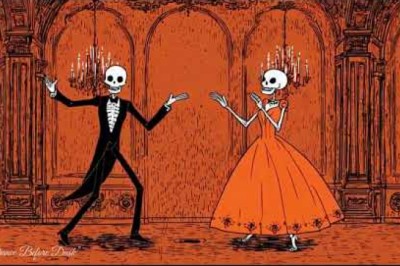

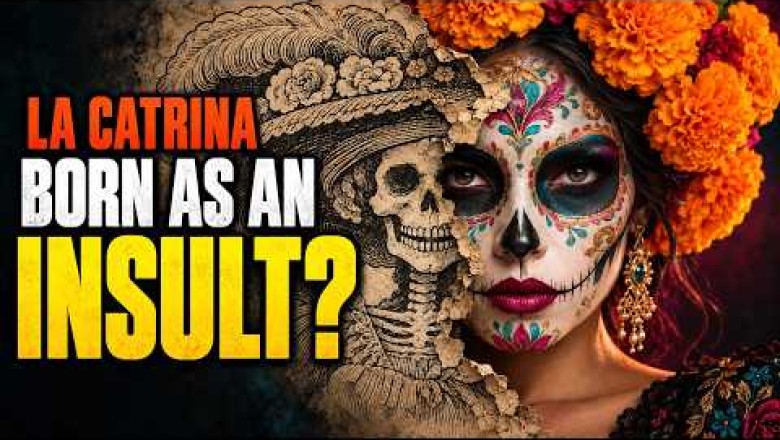

Where does La Catrina really come from? Discover how Día de Muertos, José Guadalupe Posada, Diego Rivera, Chicano artists, Hollywood, and Mexican history created the elegant skeleton recognized around the world.
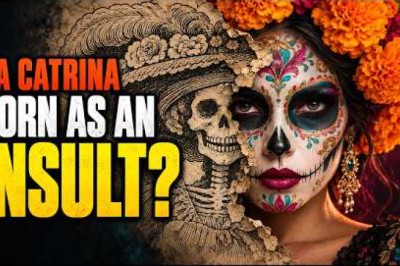
Long before La Catrina became the face of Day of the Dead—or appeared on makeup tutorials, costumes, tequila bottles, Barbies, and movie screens—she began as a biting piece of satire aimed at people who were ashamed of being Mexican.
In this episode of The Mysteries of the Americas, we follow La Catrina’s transformation from a famous satirical drawing to an elegantly dressed figure painted by Diego Rivera. We examine what her enormous European hat was mocking, how she became connected to Día de Muertos, and why the often-repeated claim that she descends directly from the Mexica goddess Mictecacíhuatl is more complicated than it sounds.
TIMESTAMPS
- 00:00 La Catrina Was Born as an Insult?
- 00:42 Porfirio Díaz and Mexico’s European Obsession
- 01:32 Who Were the Garbanceros?
- 02:06 Posada Weaponizes the Printing Press
- 02:45 The Original Calavera Garbancera
- 02:59 The Insult Hidden in Her Hat
- 03:37 How the Forgotten Skull Survived
- 03:54 Diego Rivera Rescues Her
- 04:20 La Catrina Gets Her Body
- 04:46 What Does “Catrina” Mean?
- 05:40 Rivera’s Indigenous Reference
- 06:07 Mictecacíhuatl and the Ancient Connection
- 06:55 Is La Catrina Really an Aztec Goddess?
- 07:47 Chicano Artists Reclaim La Catrina
- 08:56 The James Bond Parade That Became Real
- 09:46 Hollywood and the Catrina Business
- 10:28 What La Catrina Represents Today