
Origins and Early Growth
Gregorio Bustelo arrived in East Harlem, New York, in the 1920s. He was inspired by the bold, rich coffee he had experienced in Cuba and Puerto Rico. Seeing a demand for high-quality, strong coffee among the growing Latino community in New York, he began roasting and selling his own coffee blend. He initially sold his coffee door-to-door and to small local markets before opening a storefront.
Expansion and Popularity
Café Bustelo gained a loyal following among Cuban, Puerto Rican, and Dominican immigrants who appreciated its strong, espresso-style coffee. Over time, it expanded beyond New York, becoming a staple in Latino households and bodegas across the United States.
Acquisition and Modern Growth
In 2000, Café Bustelo was acquired by Rowland Coffee Roasters, a family-owned company based in Miami. The brand continued to grow, and in 2011, Rowland Coffee Roasters (including Café Bustelo and other brands like Café Pilon) was purchased by J.M. Smucker Company for $360 million. This acquisition helped Café Bustelo reach a wider audience and become a mainstream brand in grocery stores nationwide.
Cultural Impact
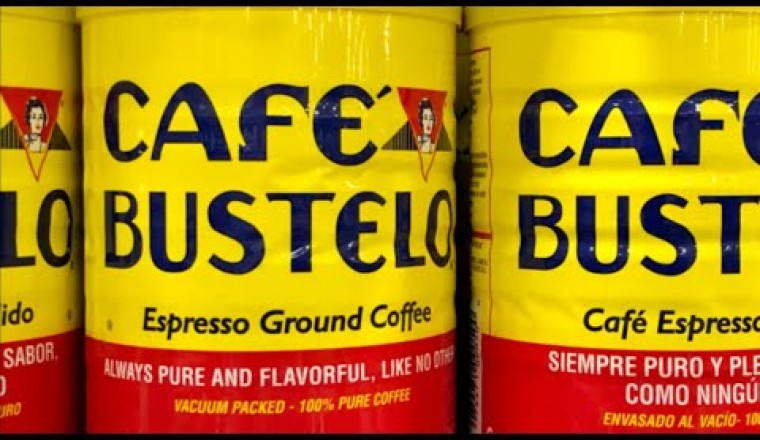
Café Bustelo is known for its bright yellow and red packaging, which has become an iconic symbol of Latin American coffee culture in the U.S. It has remained popular for its affordability, strong flavor, and cultural significance. Over the years, the brand has also been embraced by a broader audience beyond Latino communities, especially among coffee enthusiasts who enjoy strong, espresso-like coffee.