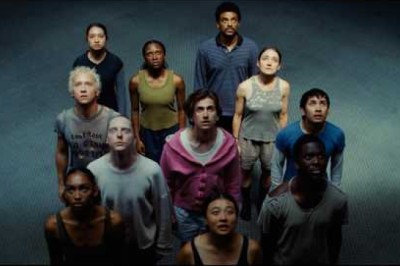



For centuries, millions of enslaved African Americans were stripped of more than their freedom—they were stripped of their names, their histories, and their identities. The Ten Million Names project is working to change that.
Launched by the American Ancestors in partnership with the New England Historic Genealogical Society, the initiative seeks to recover and document the names of the estimated 10 million men, women, and children of African descent who were enslaved in what became the United States. It is one of the most ambitious genealogical efforts ever undertaken in American history.
Why It Matters
Enslavement systematically erased personal records. Families were separated. Names were changed or lost. Census records listed people as property rather than as individuals. The Ten Million Names project aims to correct that historical silence by compiling data from:
- Plantation records
- Bills of sale
- Wills and probate documents
- Church records
- Freedmen’s Bureau archives
- Census materials
By digitizing and centralizing these records, the project creates pathways for descendants to trace their ancestry—sometimes for the first time.
A National Effort to Reclaim History
The project also works with historians, genealogists, and community organizations to ensure the research is accurate and accessible. Importantly, it prioritizes collaboration with African American communities whose histories were most affected by systemic record destruction and neglect.
This is not just genealogy—it’s restoration.
Each recovered name challenges the long-standing narrative that enslaved people were anonymous laborers without personal histories. Instead, it affirms what was always true: they were individuals with families, talents, beliefs, and stories.
The Bigger Picture
The Ten Million Names project arrives at a moment when America is reexamining its historical record. Public memory is shifting. Archives are opening. Technology is making it possible to connect fragments that once seemed permanently scattered.
In reclaiming these names, the project does more than fill in family trees. It restores dignity. It strengthens identity. And it reminds us that history is not just dates and documents—it is people.
Ten million names. Ten million lives. Ten million stories waiting to be told.