
Business Model and Services
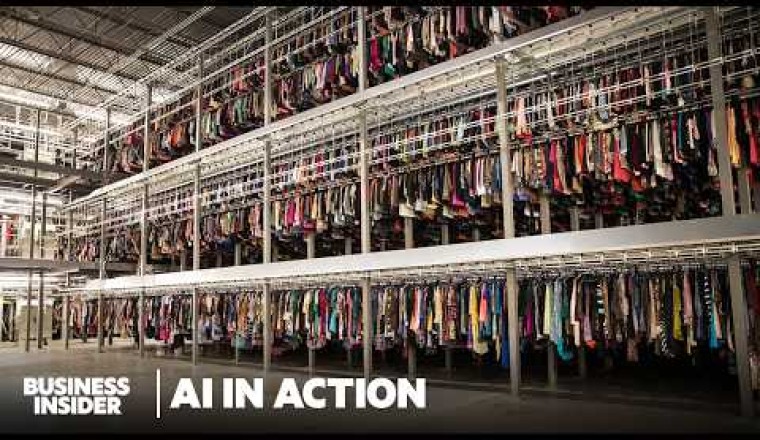
ThredUp's platform enables consumers to buy and sell primarily secondhand items. Sellers can request a "Clean Out Kit" to send in their gently used clothing, which ThredUp then processes, photographs, and lists for sale. The company earns revenue through consignment fees and by selling items directly from its inventory. Additionally, ThredUp has introduced a peer-to-peer marketplace, allowing users to list and sell items directly to other consumers, expanding its reach in the resale market.
Beyond individual consumers, ThredUp offers a "Resale-as-a-Service" (RaaS) program, partnering with retailers like American Eagle Outfitters and SoulCycle. This initiative allows brands to offer resale options to their customers, integrating secondhand shopping into traditional retail models.
Sustainability and Market Position
Committed to environmental sustainability, ThredUp emphasizes the reduction of fashion waste. By facilitating the resale of clothing, the company aims to extend the life cycle of garments and reduce the overall environmental footprint of the fashion industry.
The secondhand apparel market in the U.S. has been growing rapidly, valued at approximately $43 billion in recent years. ThredUp's position in this market is bolstered by increasing consumer interest in sustainable and affordable fashion options.
Recent Developments
In response to new U.S. trade policies, including a 145% tariff on most Chinese imports and the elimination of the de minimis exemption, ThredUp anticipates a boost in demand for secondhand goods. These changes are expected to increase the cost of fast fashion imports, potentially driving more consumers toward resale platforms like ThredUp.
Financially, ThredUp has shown growth, with preliminary unaudited financial results for the fourth quarter of 2024 exceeding guidance. The company continues to focus on expanding its services and improving profitability in the competitive resale market.