

The Dream Takes Root
In 1970, American actor-director Sam Wanamaker fueled a vision: resurrect Shakespeare’s open-air amphitheater. He founded the Shakespeare’s Globe Trust in 1971; 23 years of campaigning, fundraising, and research followed. He didn’t live to see it, passing in 1993, but his spirit guided the build.
Hard Evidence & Wise Guesswork
Archaeologists unearthed remnants of the original theater and Rose Theatre, revealing a roughly 20-sided polygon ~30 m across. Architects, led by Theo Crosby, and engineer Buro Happold, assembled a design that blended history with practicality.
Crafting with Green Oak
McCurdy & Co harvested fresh green oak, crafting mortise-and-tenon joints held with wooden pegs, echoing the 16th-century carpentry techniques. A thatch roof—the first allowed in London since 1666—was fire-lined for safety.
Modern Knots & Safety
To comply with regs, they widened stairways, added multiple exits, fire doors, sprinklers, and concealed wiring, and capped seating at ~1,400–1,600 rather than the original 3,000.
From Foundation to House Full
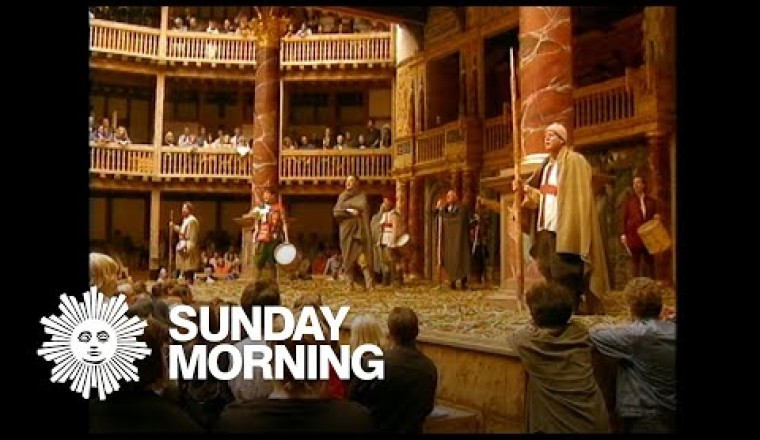
Ground was broken in 1989 after digging revealed the original foundation. After four intense years, in 1997 the theater opened with a stirring Henry V, officially established as a third Globe—an academic and aesthetic homage to the 1599 building.
Why It Matters
This isn’t mere nostalgia—it’s a living laboratory. Producing plays in the Globe’s wooden embrace, open sky, and crowded yard gives actors and audiences a taste of Shakespeare’s original rhythms and textures.
In Lyrical Summary
Wanamaker dared to whisper “let’s build it”—and now crowds gather in Southwark as they did in 1599. Green oak groans under centuries-old methods, thatch whispers of fire and past, and every exit bellows modern safety’s presence. It’s a bright, true echo of Shakespeare’s own stage—alive, breathing, and wildly theatrical.
So the rebuilt Globe? It’s not just a replica—it’s a resurrection. And every performance there hums with the ghosts of Elizabethan applause.