

The Dream: A Flying Palace
The LZ 129 Hindenburg was the pride of Nazi Germany’s Zeppelin program, the largest aircraft ever built at the time. This floating behemoth was longer than the Titanic and more majestic than any airliner. At 804 feet long, it carried passengers in decadent art deco lounges, offering fine dining and panoramic views from the skies.
Designed to ferry the wealthy across the Atlantic in style, the Hindenburg was filled with hydrogen, a highly flammable gas—because helium, the safer alternative, was not available to Germany due to U.S. export restrictions.
The Final Flight
On its final voyage, the Hindenburg was traveling from Frankfurt, Germany, to Lakehurst, New Jersey, carrying 97 people (36 passengers and 61 crew). The crossing was smooth, even elegant—until the airship arrived in New Jersey on the evening of May 6, 1937.
Weather delays pushed the landing to early evening. As the Hindenburg prepared to dock, it hovered over the mooring mast with spectators and news crews gathered below, eager to see this marvel up close.
The Catastrophe Unfolds
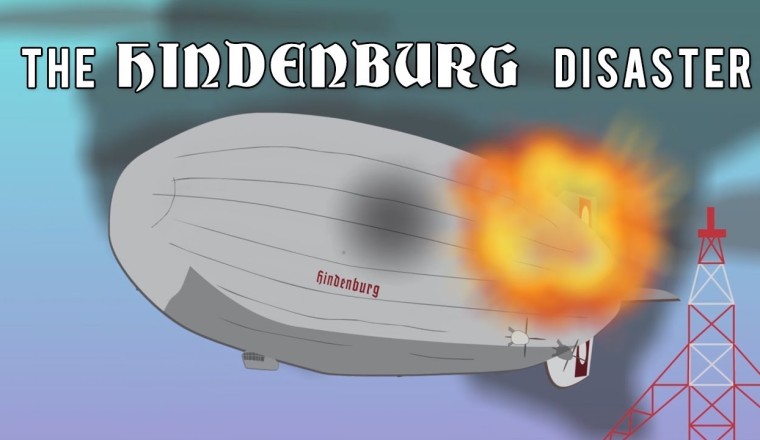
At 7:25 p.m., without warning, flames erupted from the aft section of the ship. In seconds, the fire roared through the hydrogen-filled hull. The giant Zeppelin crumpled in a twisting ballet of destruction, crashing to the ground in less than 40 seconds.
Newsreel cameras captured the horrifying scene in real time. Radio reporter Herbert Morrison, broadcasting live, famously cried, "Oh, the humanity!"—a moment that became one of the first viral audio clips in history.
The Toll
Miraculously, 62 people survived, but 35 on board died, along with one ground crew member. Many survivors jumped from the burning ship before it hit the ground; others were rescued by brave onlookers or crawled from the wreckage themselves.
What Caused It?
The true cause of the disaster has been debated for decades. Theories include:
- Static electricity igniting leaking hydrogen
- A spark from the mooring lines
- Sabotage (widely dismissed now)
The most widely accepted theory today suggests a static discharge ignited hydrogen gas that had leaked from the gas cells due to structural damage or material fatigue.
The End of the Airship Era
The disaster was more than a tragic accident—it was the death knell for commercial airship travel. Though Zeppelins had flown safely for years, the image of the Hindenburg engulfed in flames obliterated public trust in the technology.
Within a year, the golden age of rigid airships was over.
Legacy and Cultural Echoes
The Hindenburg disaster left a scorching mark on popular culture. It appears in songs, films, documentaries, and even as an eerie metaphor for hubris and downfall. The disaster taught engineers painful lessons about safety, flammability, and the limits of innovation without caution.
Final Thoughts
The Hindenburg was a vision of a futuristic sky cruise—turned into a flaming symbol of fragility. It reminds us that even the grandest dreams can fall from the sky in an instant if hubris outpaces wisdom.
Want to dive deeper into Zeppelin lore or talk about the engineering side of this flying giant? I’ve got more stories in my hangar. Just say the word.
The Hindenburg Disaster (1937)
Rare Colorized Photos Inside the Hindenburg
Hindenburg Disaster - Real Footage (1937) | British Pathé