


In the tangled cypress and black waters of Louisiana’s Manchac Swamp lingers the legend of Julia Brown, sometimes called Aunt Julia or the Swamp Witch of Frenier. Her story weaves together documented history, devastating tragedy, and ghost-stained folklore — a tale that refuses to stay buried.
A Real Woman in a Vanished Town
Julia Bernard Brown was born around 1845, likely in St. John the Baptist Parish. By the late 1800s she was living in Frenier, a German immigrant settlement on the edge of the swamp, where she owned property with her husband, Celestin Brown. Census records suggest she had children and grandchildren, making her far more than just a spectral figure — she was part of a thriving but vulnerable community.
Frenier was a sawmill town, producing lumber and growing cabbages in the swamp’s rich soil. Life was hard, isolated, and precarious, yet Julia was remembered as someone who helped neighbors. Oral histories suggest she worked as a healer, midwife, and traiteur — a folk healer who used prayer and remedies for illness and childbirth. For many, she was indispensable. For others, she became unsettling, even feared.
The Curse and the Song
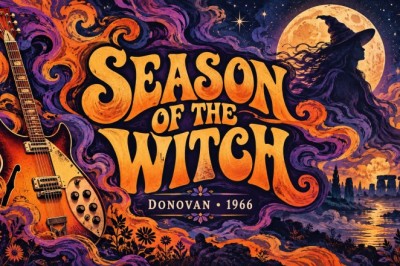
Folklore tells that Julia grew weary of being used and unappreciated. People came to her door only when they needed healing, never to offer thanks. Whether from bitterness, sorrow, or sheer theatricality, she supposedly began singing a chilling refrain on her porch:
“When I die, I’ll take the whole town with me.”
The tale casts this not as idle lyric but as prophecy — a curse laid heavy on Frenier. Some versions even say she sang it nightly, her voice carrying across the swamp like a warning from the other side.
The Day the Storm Came
On September 29, 1915, Julia Brown died. That same day, mourners gathered for her funeral in Frenier’s tiny graveyard. As they laid her to rest, the skies darkened. A powerful Category 4 hurricane slammed into the Louisiana coast, its winds and storm surge obliterating Frenier, Napton, and Ruddock. Hundreds perished. Frenier never rebuilt; it was left to the swamp.
For locals, the connection was undeniable: Julia’s prophecy had come true. The storm struck on the day of her burial, and in the wreckage of the town, her legend was born.
History vs. Folklore
What’s fact, what’s fable?
-
Documented Truth: Julia Brown was a real woman, born c.1845, who lived in Frenier with her family. She died on September 29, 1915 — the same day the hurricane hit. The storm was real, catastrophic, and did indeed destroy her community.
-
Folklore Embellishments: Her identity as a voodoo priestess or “swamp witch” has little historical basis. Those labels came later, shaped by New Orleans’ fascination with voodoo mystique and ghost tourism. The famous “curse song” is not recorded in newspapers of the time, only in oral storytelling and legend decades later.
Yet folklore thrives where the record is thin. In Julia’s case, myth stepped in to make sense of tragedy: a woman dismissed in life suddenly became central in death, the voice of a community’s destruction.
Haunting the Swamp
Today, Manchac Swamp is a place of ghost tours and whispered tales. Guides tell of Julia’s spirit still wandering the waters, her song drifting between cypress knees and Spanish moss. Some claim to hear her voice on the wind. Others insist she appears as a shadowy figure along the swamp banks. Her grave still exists, though hard to find, swallowed in the greenery.
Whether as healer, witch, prophet, or grieving woman, Julia Brown has become inseparable from the landscape. She embodies the swamp’s mystery: beautiful, dangerous, alive with echoes.
The Deeper Meaning
Julia Brown’s story resonates because it stands at the crossroads of memory and myth. She represents:
-
Marginalized Power: As a Black woman in rural Louisiana, she lived on society’s edges. Her healing made her necessary; her independence made her suspect.
-
Nature’s Force: Her “curse” reflects the truth that nature, not humans, rules Louisiana’s wetlands. Her story became a way to explain the inexplicable power of storms.
-
Folklore as Memory: Frenier, Ruddock, and Napton no longer exist. Julia’s tale ensures they are remembered, even if through ghost-story shadows.
A Voice That Refuses Silence
Perhaps Julia Brown never cursed her town. Perhaps her song was not prophecy but lament. Still, the hurricane arrived on the day she died, and that coincidence was enough to carry her name into legend.
More than a century later, she remains a haunting presence — a reminder that the swamp holds its dead close, and that sometimes a single woman’s voice can echo louder than a hurricane.
The Voodoo Priestess who Destroyed her Town
The True Story Of Julia Brown & The Curse of Frenier Louisiana
Voodoo Hurricane (Supernatural Documentary)