

For some people, a cemetery is more than a place of mourning. It is an outdoor museum, an architectural archive, a sculpture garden, and a tangible connection to people who lived decades—or even centuries—before us. That fascination has a name: taphophilia, a strong interest in cemeteries, gravestones, funerary art, and the history surrounding burial places.
Cemetery tourism, sometimes called tombstone tourism, has become an increasingly visible form of historical and cultural exploration. Visitors wander through famous cemeteries to see the graves of notable figures, trace family histories, photograph elaborate monuments, study unusual epitaphs, or simply experience the atmosphere of these remarkable spaces.
Cemeteries as Outdoor Museums
Some of the most beautiful historic cemeteries were deliberately designed to be visited. The garden cemetery movement of the 19th century transformed burial grounds into carefully landscaped environments filled with winding paths, trees, elaborate mausoleums, statues, and monumental architecture.
Victorian cemeteries can be especially fascinating. Angels, urns, obelisks, clasped hands, broken columns, lambs, flowers, anchors, and other symbols carved into headstones often carried meanings that people of the period would have immediately understood. Walking through an old cemetery can therefore feel a little like reading a history book written in stone.
Why Are We So Fascinated by Cemeteries?
Taphophilia isn't necessarily about an obsession with death. For many enthusiasts, the attraction is really about life.
Every gravestone represents a person and a story. Names, dates, inscriptions, photographs, family plots, military markers, and monuments offer fragments of lives that might otherwise disappear from memory. Cemeteries also preserve local history in an unusually personal way: politicians may rest alongside factory workers, entertainers beside ordinary families, and celebrated citizens only a few feet from people whose stories have been almost completely forgotten.
There is also something uniquely peaceful about these spaces. Historic cemeteries can offer solitude, beautiful landscaping, remarkable artwork, and a rare opportunity to contemplate the passage of time without the distractions of everyday life.
Exploring With Respect
Modern cemetery enthusiasts may call themselves taphophiles, grave hunters, cemetery historians, genealogists, photographers, or simply curious travelers. Whatever the label, respect remains essential. Cemeteries are historic sites, but they are also active places of remembrance where families continue to grieve and honor their loved ones.
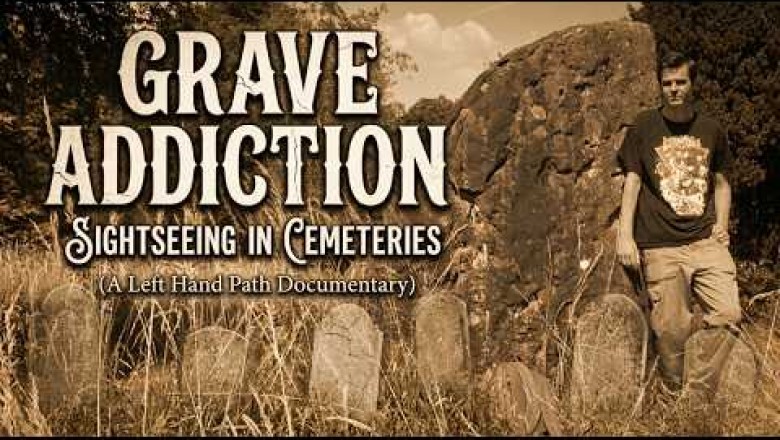
The documentary featured here explores this unusual form of tourism, from Victorian garden cemeteries and funerary architecture to hidden gravestone symbolism and the modern graveyard subculture. Far from being places concerned only with death, historic cemeteries can reveal extraordinary stories about art, culture, community, memory, and the people who came before us.
Perhaps that is the real appeal of cemetery tourism: the stones may mark the dead, but the stories they preserve are very much alive.