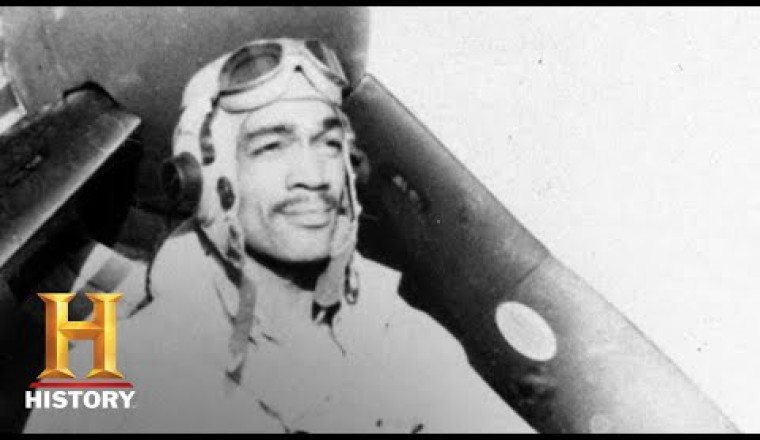

The Tuskegee Airmen were the first African American military pilots and support personnel in the U.S. Army Air Corps (the precursor to the U.S. Air Force) during World War II. They were part of an experimental program to train Black aviators at Tuskegee Army Air Field in Alabama, as the U.S. military was still racially segregated at the time.
Key Facts About the Tuskegee Airmen
- Formation: The program began in 1941, with the first class of pilots trained at Tuskegee Institute.
- Combat Service: The Tuskegee Airmen served with distinction in Europe, particularly in the Mediterranean Theater, where they flew missions in North Africa, Sicily, and Italy.
- Aircraft: They flew aircraft such as the P-40 Warhawk, P-39 Airacobra, P-47 Thunderbolt, and most famously, the P-51 Mustang with its distinctive red tail (leading to their nickname, the "Red Tails").
- Escort Missions: They became well-known for their excellence in bomber escort missions, often losing fewer bombers than other fighter groups.
- Units: The airmen were part of the 332nd Fighter Group and the 477th Bombardment Group.
- Discrimination: Despite their achievements, they faced racism both in and out of the military but proved their capabilities beyond doubt.
- Legacy: Their success helped pave the way for the desegregation of the U.S. military in 1948 by President Harry Truman's Executive Order 9981.
The Tuskegee Airmen were highly decorated, earning Distinguished Flying Crosses, Air Medals, and other commendations. Their legacy continues to inspire generations in aviation and civil rights.
The Tuskegee Airmen of World War II
The Tuskegee Airmen Their Untold Stories
What They Don't Want You To Know about The Tuskegee Airmen