
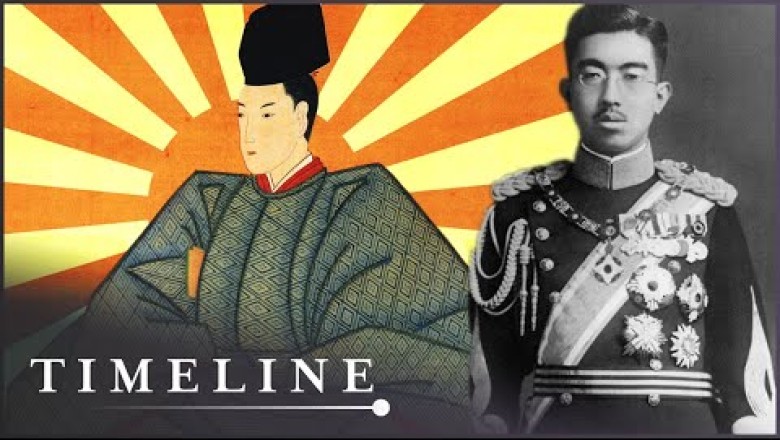

Japan’s Imperial House, often called the Yamato dynasty, is widely recognized as the world’s oldest surviving hereditary monarchy. According to Japanese tradition, the imperial line began on February 11, 660 BCE, when Emperor Jimmu, Japan’s legendary first emperor, took the throne. Japan observes February 11 each year as National Foundation Day, a public holiday whose origins lie in the story of his accession.
That traditional founding date takes the imperial story back more than 2,600 years. The eighth-century chronicle Nihon Shoki records Jimmu’s accession, and Japanese mythology traces his ancestry to Amaterasu, the Shinto sun goddess. Historians generally regard Jimmu as a legendary figure and can trace the dynasty with greater confidence to at least the sixth century CE. On that historical footing, Japan’s imperial line has endured for more than 1,400 years.
Over those centuries, the family kept the throne even as political power shifted. For much of Japan’s history, military rulers known as shoguns governed while emperors retained their place at the imperial court. The Meiji Restoration of 1868 returned the emperor to the center of the political system. Under Japan’s postwar constitution, the emperor serves as a symbol of the state and the unity of its people, carrying out ceremonial duties while elected institutions govern.
Emperor Naruhito ascended the Chrysanthemum Throne on May 1, 2019, after his father, Akihito, abdicated. His accession began the Reiwa era, and Japan counts him as its 126th emperor in the traditional succession. The title has passed through centuries of military rule, political upheaval, and constitutional change. What it means to be emperor has changed profoundly, even as the imperial house itself has endured.