
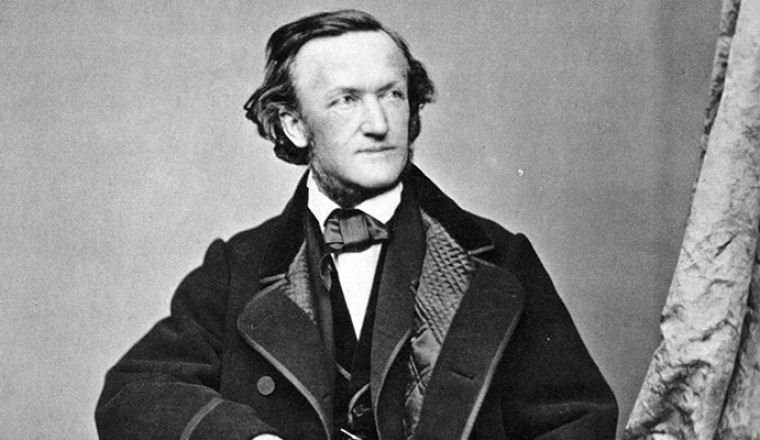

Wagner’s operas aren’t your average evening at the theater. These are titanic affairs that stretch hours, often drenched in gods, dragons, incestuous twins, and philosophical angst. His most colossal achievement, Der Ring des Nibelungen, is a four-opera cycle that clocks in at about 15 hours. Think Tolkien with tubas.
Musically, Wagner blew up the rules. He expanded harmonic language to dizzying chromatic heights, paving the way for modernism. His use of leitmotifs—recurring musical themes representing characters or ideas—was revolutionary, influencing everything from Star Wars to Lord of the Rings.
Wagner's influence is undeniable, but so is his controversy. His writings, particularly his antisemitic essays, have cast a long and painful shadow. His complex legacy still sparks debate: genius or madman? Visionary or egomaniac? Probably all of the above.
What can’t be denied is Wagner's impact. He didn’t just write operas. He changed what music could be. His work still shakes opera houses—and souls—to this day.
Most Famous Work
Ah, "Ride of the Valkyries"—now that’s a piece that charges at you like a warhorse in surround sound. You’ve heard it in movies, cartoons, military parodies, and operas alike—blaring horns, pounding strings, galloping rhythms—it’s a musical thunderclap, and its origin is just as dramatic as the music itself.
🎼 THE ORIGINS
"Ride of the Valkyries" (German: Walkürenritt) was composed by Richard Wagner in 1851, and it's the opening of Act III of his opera Die Walküre (The Valkyrie), which is the second opera in his epic four-part cycle Der Ring des Nibelungen (The Ring of the Nibelung).
Wagner wasn’t just writing an opera. He was forging a mythic universe based on Norse and Germanic legends—with gods, heroes, magical rings, and, of course, the Valkyries. These badass warrior-maidens of Valhalla ride flying horses and collect the souls of fallen heroes to bring them to the afterlife. Casual stuff.
The "Ride" is meant to evoke the image of these Valkyries swooping down onto battlefields through stormy skies. It’s thrilling, bold, and totally over-the-top. In other words: peak Wagner.
🛠️ COMPOSITION TIMELINE
-
1851 – Wagner composed the "Ride" as a self-contained orchestral piece before finishing the full opera.
-
1856 – He completed the entire Die Walküre opera.
-
1870 – The opera was premiered in Munich under King Ludwig II’s patronage. (Wagner was Ludwig’s favorite musical demigod.)
-
1876 – The full Ring Cycle premiered at the Bayreuth Festspielhaus, Wagner's purpose-built temple of sound.
🎧 FAME OUTSIDE OPERA
"Ride of the Valkyries" escaped the opera house and infiltrated pop culture like a musical Trojan horse. You might know it from:
-
Apocalypse Now (1979) – Helicopters rain hellfire to the strains of Wagner. It's a terrifying, ironic, unforgettable scene.
-
Looney Tunes – “Kill the Wabbit!” Bugs Bunny channels Wagner in What’s Opera, Doc?, turning the piece into a hilarious (and weirdly accurate) parody.
-
Countless TV, film, and video game moments where over-the-top drama needs equally over-the-top music.
💡 FUN FACT
Wagner had some wild theories about music and drama. He believed in the concept of Gesamtkunstwerk—a "total work of art"—where music, poetry, visual art, and stagecraft fuse into one grand artistic expression. Ride of the Valkyries is a perfect example: it’s not just music; it’s cinematic storytelling before cinema even existed.
So, what you’re hearing when you listen to Ride of the Valkyries is more than an intense orchestral banger—it's the sound of Wagner shaking the very heavens with myth, muscle, and melody.
Ride of the Valkyries