

“Nobody Knows the Trouble I’ve Seen” can sound like a simple expression of sadness. Its history gives those words far greater weight. The song is an African American spiritual that emerged among enslaved people in the United States. No single songwriter is known. It was carried through singing before a version appeared in the 1867 collection Slave Songs of the United States under the title “Nobody Knows the Trouble I’ve Had.”
The spiritual speaks of suffering that others cannot fully understand. Yet its familiar turn toward faith gives the singer a way to endure. Like many spirituals, it holds grief and hope in the same breath. Its words and melodies have varied over time, reflecting a song passed between voices rather than fixed by one author.
One of its most moving performances came on Easter Sunday in 1939. After Marian Anderson was barred from singing at Washington’s Constitution Hall because she was Black, she gave a concert at the Lincoln Memorial instead. She sang “Nobody Knows the Trouble I’ve Seen” as an encore. In that setting, the spiritual’s account of hardship and perseverance carried a force all its own.
More than a century and a half after it was first printed, the song still reaches listeners because it makes room for pain without letting pain have the final word. Its enduring power begins with the people who created and preserved it, singing through circumstances that the title alone could never fully describe.
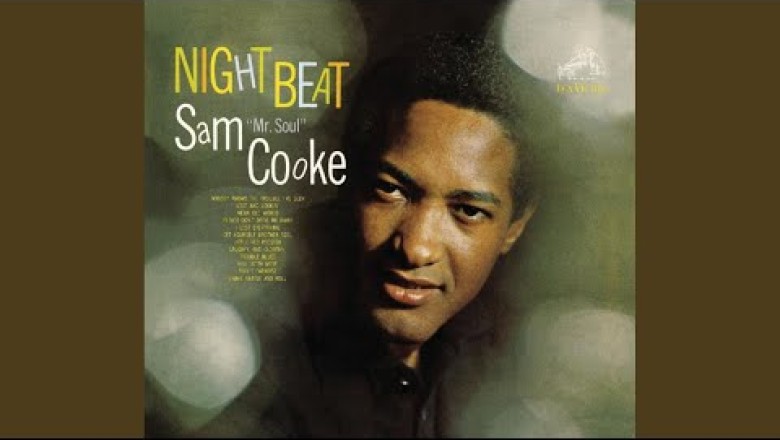
Sam Cooke (1963)
Paul Robeson (1926)