


Here’s how it works:
-
You gather plant materials – things like eucalyptus, rose leaves, onion skins, or ferns. The more tannins, the better the print.
-
Lay them on your fabric or paper – usually cotton, silk, wool, or handmade paper.
-
Bundle them up tight – often by rolling and binding with string.
-
Steam or simmer the bundle – this coaxes out the pigments and tannins from the plants, transferring their imprint.
-
Let it rest – some artists swear by waiting hours or even days before unrolling for richer colors.
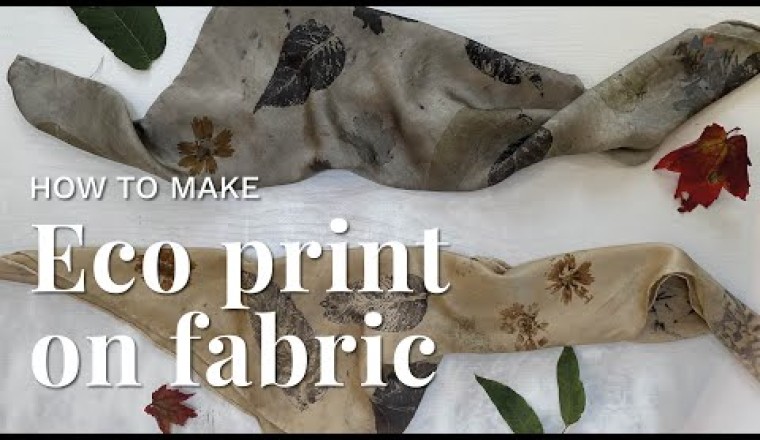
The result? Ethereal, one-of-a-kind patterns that resemble leaf fossils, floral silhouettes, or abstract natural art. No two prints are ever the same—it's as much alchemy as it is artistry.
It’s loved by textile artists, eco-conscious creators, and boho souls who enjoy slow crafting and sustainability. Want to turn your garden clippings into wearable poetry? Eco-printing is your jam.
Quick Overview
Indepth