
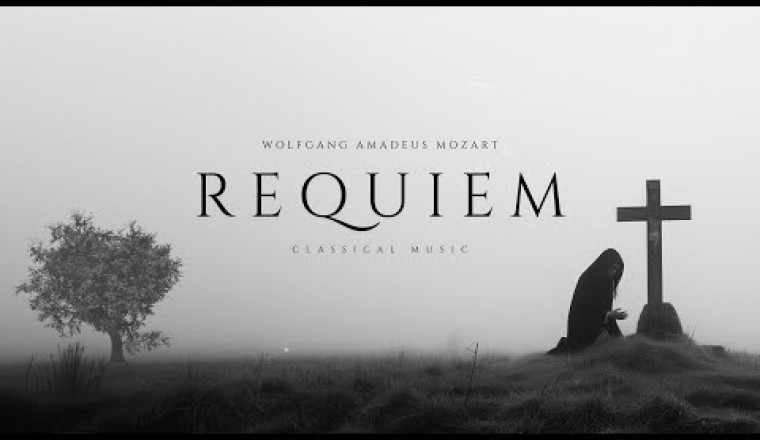

The Requiem is divided into several movements, each reflecting different aspects of the funeral service:
-
Introitus: Requiem aeternam – This movement begins with a plea for eternal rest for the deceased, characterized by its somber and reflective tone.
-
Kyrie – A heartfelt, pleading invocation for mercy, with both choral and solo sections.
-
Sequenz: Dies irae – A dramatic and vivid depiction of the Last Judgment, featuring powerful choral writing and contrasting sections that describe the final judgment and its aftermath.
-
Tuba mirum – This movement features a dramatic depiction of the resurrection and judgment, showcasing solo voices and brass.
-
Rex tremendae – A depiction of Christ as the supreme judge, with a majestic and imposing character.
-
Recordare – A poignant plea for remembrance and mercy, often noted for its lyrical and expressive quality.
-
Confutatis – This movement contrasts the fate of the damned and the saved, with a dramatic and intense setting.
-
Lacrimosa – A deeply mournful and emotional movement, lamenting the fate of the dead with a hauntingly beautiful melody.
-
Offertorium: Domine Jesu – A prayer for deliverance from eternal damnation, with a poignant and earnest tone.
-
Sanctus – This movement offers praise and glory to God, featuring a majestic and uplifting setting.
-
Benedictus – A continuation of the Sanctus, with a serene and meditative quality.
-
Agnus Dei – A plea for peace and mercy, featuring a gentle and introspective character.
-
Communio: Lux aeterna – The final movement, a prayer for perpetual light, brings the Requiem to a contemplative close.
Overall, Mozart's Requiem is known for its emotional depth, intricate choral writing, and the way it conveys the themes of mortality, judgment, and hope.