
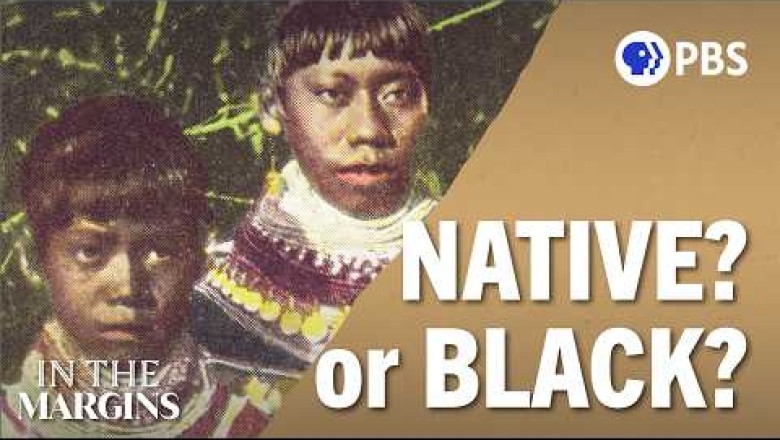

When Ancestry Determined Your Rights in America
Who had the right to land, freedom, and even a recognized identity? For centuries in America, lawmakers and officials tried to answer those questions through ancestry. Their rules gave racial labels consequences that could reach across generations.
In this PBS video, the histories of the Gingaskin and Pamunkey communities show how Indigenous people fought to maintain their identities and land rights while outsiders tried to define who counted as Native. For Black families, laws that made slavery hereditary turned a parent’s legal status into a child’s fate.
These categories were created and enforced by people with power. They could be used to take land, deny rights, and keep families enslaved. The video asks us to look past the idea of “blood” as a simple fact and see the laws—and the people resisting them—that shaped American history.
Want to learn more? Check out:
That the blood stay pure by Arica L. Coleman
An Afro-Indigenous History of the United States by Kyle T. Mays
Pocahontas’s People: The Powhatan Indians of Virginia through Four Centuries by Helen C. Rountree
A Legal History of Blood Quantum in Federal Indian Law to 1935 by Paul Spruhan