


Where It Began
Few pieces of classical music have had a stranger afterlife than Entry of the Gladiators. Composed in 1897 by Czech composer Julius Fučík, this high-energy march was originally titled Grande Marche Chromatique, a nod to the piece’s dazzling use of chromatic scales. Later, Fučík renamed it Einzug der Gladiatoren (German for Entry of the Gladiators) to evoke the drama and valor of ancient Roman fighters entering the arena.
But instead of becoming the soundtrack to cinematic epics or military fanfare, the march took a sharp left turn into slapstick.
It Took a Turn
Around the early 20th century, Canadian composer Louis-Philippe Laurendeau arranged the march for American wind bands and retitled it Thunder and Blazes. From there, it waltzed (or rather galloped) straight into circus history, becoming the unofficial theme for clowns and big tops everywhere. The tempo was sped up, the brass turned bolder, and before long, the triumphant sound of supposed gladiators became the jingle of pie-throwing jesters and human cannonballs.
It’s one of the great ironies of music history: a march composed to conjure images of ancient Roman grandeur is now forever linked to cotton candy, unicycles, and red rubber noses.
Still, Fučík—sometimes called the “Bohemian Sousa”—might’ve had a sense of humor about it all. His catalog is filled with dramatic marches, but this one? It accidentally became a global cultural meme before memes were even a thing.
Today
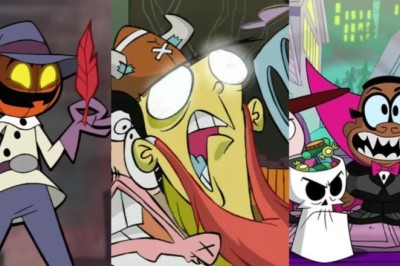
Entry (commonly referred to today as Entrance) of the Gladiators lives on not only in circuses, but in cartoons, sporting events, comedy sketches, and even ironic TikToks—where it often underscores the absurdity of life’s unexpected circus acts.
Julius Fučík - Entrance of the Gladiators, Op. 68.
Louis-Philippe Laurendeau - Thunder and Blazes