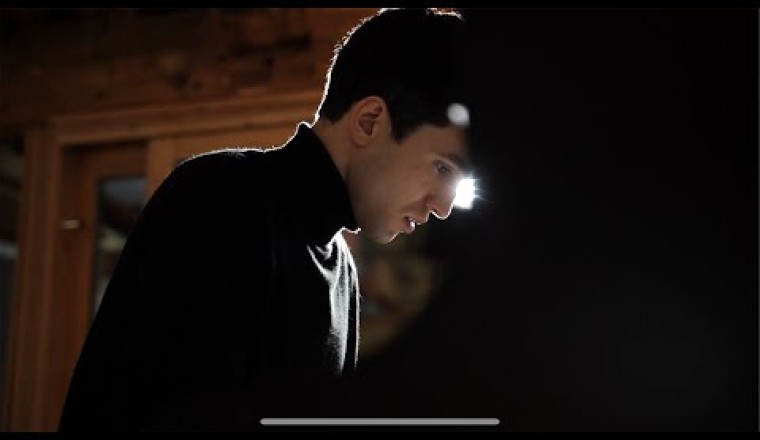

When you take a piece as iconic as Beethoven’s “Für Elise”—a melody that's floated through centuries, music boxes, beginner piano recitals, and cinematic nostalgia—you’d better have something new to say. Enter Alexander Joseph, a bold composer and pianist who dared not only to speak, but to sing in a language all his own.
In his reimagined version of “Für Elise,” Joseph doesn't just remix the classic; he reshapes its soul. The haunting motif is still there, like a ghost in a grand ballroom, but now it's swathed in cinematic strings, whispered electronic textures, and rhythmic undercurrents that shimmer like moonlight on a midnight lake.
Where Beethoven's original flirts with playful romance and longing, Joseph leans into emotional introspection. His rendition is darker, deeper, almost as if we’re hearing Elise’s story from the inside out—less a love letter, more a personal diary entry inked in the margins of time.
Layered production brings in elements of ambient electronica and neo-classical phrasing, giving the piece a modern heartbeat without losing its classical backbone. It's as if Chopin and James Blake sat down for tea and decided to pay homage to Beethoven with a modern lament.
Listeners have praised the track for being both respectful and revolutionary, a rare fusion that pleases purists and new-age music lovers alike. It’s not just a cover—this is a reinterpretation, a poetic translation of Beethoven’s language into the dialect of our dissonant century.
Whether you’re a classical devotee or a casual listener in search of a moment of sublime serenity, Alexander Joseph’s “Für Elise” is a portal worth stepping through. It’s the past, present, and future of piano music—woven together with boldness, beauty, and a touch of heartbreak.