


Automata—the self-operating machines that once seemed like magic—have captivated human imagination for thousands of years. Long before robots walked across movie screens, these mechanical marvels delighted kings, scholars, and curious minds.
The concept reaches back to ancient Greece, where engineers like Hero of Alexandria designed intricate devices powered by water, air, and weights. His inventions included mechanical theaters and even an early “coin-operated” machine for dispensing holy water. Across the world, in 9th-century Baghdad, the Banū Mūsā brothers wrote the Book of Ingenious Devices, describing programmable machines and mechanical instruments.
During the European Renaissance, automata truly blossomed. Master clockmakers and artisans created lifelike figures—birds that sang, dolls that danced, even elaborate mechanical writing machines. These weren’t just toys; they represented the height of craftsmanship and human ingenuity, blending art with engineering.
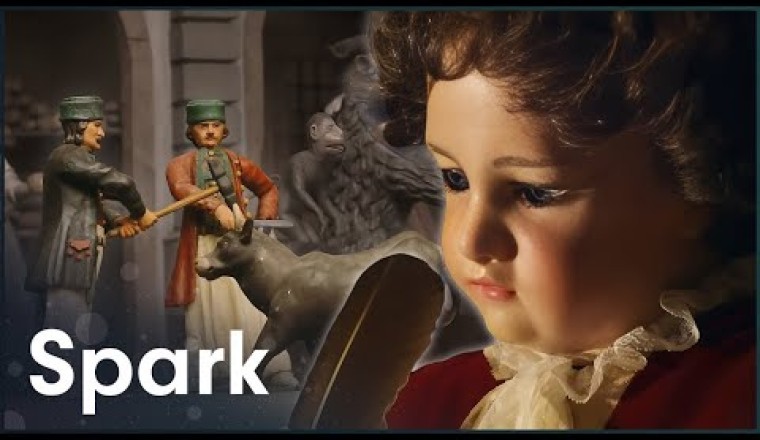
By the 18th century, automata became symbols of innovation and luxury. Swiss watchmakers like Jaquet-Droz produced astonishing creations such as “The Writer,” a mechanical boy who could dip a quill and write messages, prefiguring modern computing with his programmable system.
Today, automata are recognized as the ancestors of robotics. They remind us that the desire to breathe life into lifeless matter isn’t new—it’s a timeless dream that continues to evolve, from clockwork dolls to AI-driven machines.