

Prehistoric Footprints and Celtic Roots
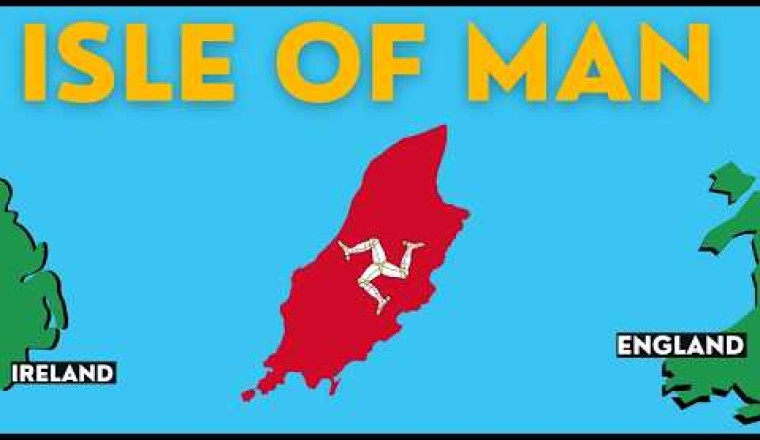
The story of the Isle of Man begins in the mists of prehistory. Stone circles, burial cairns, and megalithic monuments whisper of Neolithic settlers who walked its rugged hills more than 8,000 years ago. By the Iron Age, the island was firmly in the hands of Celtic tribes, whose language and culture still echo in the native Manx Gaelic.
Norsemen and the Sea Kings
Enter the Vikings—those Scandinavian sea wolves who came not only to plunder but to govern. Around 800 AD, Norse settlers colonized the island and forged a maritime kingdom. The Isle of Man became part of the Kingdom of the Isles, a seaborne dominion stretching across the Hebrides and beyond.
In 979 AD, the Tynwald was established—an assembly of free men who gathered on a grassy mound to make laws and settle disputes. Remarkably, Tynwald still exists, making it the oldest continuous parliament in the world. Yes, even older than the British Parliament, and it meets outdoors once a year on Tynwald Day, like something out of Tolkien.
From Scottish to English Hands (and Back Again)
The medieval period was a hot potato of sovereignty. The island bounced between Scottish and English control, eventually falling under English sway after the 14th century. Despite its location, the Isle of Man was never officially part of the United Kingdom—it’s a Crown Dependency, which means it governs itself, but owes allegiance to the British monarch. Kind of like an independent teenager still using their parents’ Netflix account.
The Lords of Mann and Quirky Autonomy
In 1405, the Stanley family (later the Earls of Derby) were granted control as the “Lords of Mann.” For centuries, they ruled the island as semi-autonomous overlords, collecting taxes and maintaining the island's distinct legal and social structure. Eventually, the British Crown bought the rights in 1765, in what’s known as the Revestment, but the Isle retained much of its unique character and laws.
Modern Times and Fast Bikes
In the 20th century, the island found global fame as the home of the Isle of Man TT (Tourist Trophy) motorcycle races, begun in 1907. These high-octane road races, held on narrow public roads with stone walls and sheer drops, have made the Isle a mecca for thrill-seekers.
Today, the island thrives as a hub for finance, tech, e-gaming, and tourism—and remains staunchly proud of its traditions, language revival, and feline oddities (yes, the tailless Manx cat is a native here).
Conclusion: A Rock with Roots and Wheels
The Isle of Man is more than a tax haven or biker's paradise. It's a land where Celtic mists meet Norse steel, where ancient laws still breathe, and where the future is embraced with the same fervor as the past is cherished. Small? Yes. But insignificant? Never.
If you want a place where the hills sing with history and the people call themselves "Manx," look no further. This island may be in the middle of everywhere, but it is uniquely its own.