

Tag: WSJ

The 1X Neo: The First Humanoid Home Robot
The 1X Neo is one of the first humanoid robots built for your home and is equipped with full AI software.

Why This Disney-Inspired HQ for 13K Employees Still Has Individual Offices
Epic Systems is the leading provider of electronic medical records in the U.S.—but its headquarters in Wisconsin looks nothing like a typical tech campus. The HQ has five different campuses and some take cues from stories like ‘Harry Potter,’ ‘The Wizard...

Why the World's Rarest Blue Took 10 Years to Recreate
For 60 years, it’s been nearly impossible for anyone to recreate International Klein Blue. Named after French artist Yves Klein, this specific ultramarine color has shown up in all sorts of pop cultural references from the Blue Man Group to the fashion ru...

How Duolingo Turned a Free Language App Into a $7.7B Business
Duolingo has been the top education app in Apple’s App Store for most of the past decade, making the company a revenue of around $500 million annually.

Why England’s Last Traditional Lacemaker Is Fighting for Survival
Leavers lace is prized by dressmakers and designers as the world’s highest quality machine-made lace, so refined it takes a magnifying glass to distinguish it from handmade material.

Why Aldi Is America’s Fastest Growing Grocery Store
Aldi’s ‘no-frills’ strategy has helped make it one of the cheapest and the fastest growing grocery stores in the U.S. For the past decade, it’s been growing at a rate of about 100 stores per year and thrives in economic downturns. Aldi helps keep expenses...

How 23andMe Went From $6B Valuation to Penny Stock
DNA-testing company 23AndMe and its founder, Anne Wojcicki, aimed to revolutionize healthcare, bringing genetic tests to homes with just a tube of spit.

Inside Pantone, the Company That Turns Color Into Money
Pantone just released its 2024 Color of the Year: Peach Fuzz. But Pantone doesn’t sell paints, colors or mixing machinery. So what is the company actually selling?
The Economics of IKEA: Why Does Labor Lead to Love?
Counterintuitive though it may seem, part of furniture giant IKEA’s success stems from its policy requiring its customers to build its products.
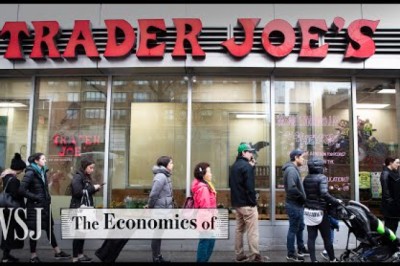
How Is Trader Joe’s So Cheap and Popular?
Trader Joe’s has been selling bananas for 19 cents each – for the past two decades. The grocery store offers remarkably fewer options for customers compared to other major supermarkets, and it’s consistently ranked highest for customer satisfaction.
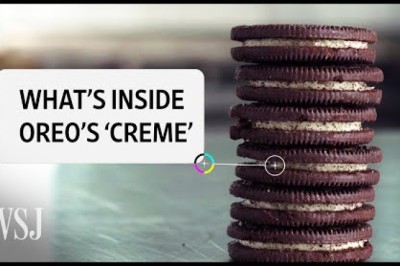
Food Scientist Breaks Down Every Oreo Ingredient
Oreos are one of the most well-known cookies in the world, with around 40 billion produced each year. But consumers might not know what some of the ingredients like soy lecithin and alkali-processed cocoa really do.