

Tag: Business Insider
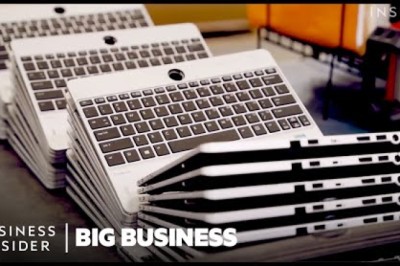
How 6 Million Pounds Of Electronic Waste Gets Recycled A Month
Only 17% of electronic waste is recycled. That’s because devices aren’t designed to be recycled. They’re full of tiny, toxic materials that are hard and expensive to break down. But if extracted safely, those materials could mean big money for e-recyclers...
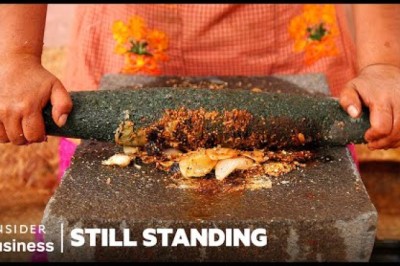
How 11 Ancient Crafts Survived For Centuries
From mole ground with a traditional tool in Mexico, to metal art forged with ancient wax-casting techniques in India, and shea butter made by women artisans in Ghana, we got an inside look at businesses around the globe to see how their centuries-old trad...

How Army Cooks Are Trained To Feed 800 Soldiers In The Field
We got an inside look at how Army Culinary Specialists are trained at the Joint Culinary Center of Excellence at Fort Lee, Virginia.
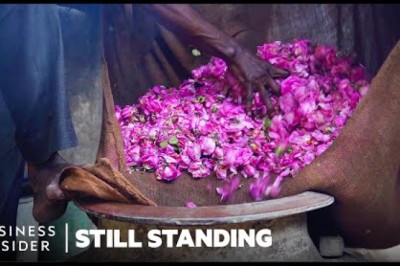
How India's Perfumers Recreate The Smell Of Rain On Earth
We visited India’s perfume capital, Kannauj to see how craftsmen make "attar," or natural perfumes using a centuries-old steam distillation method.
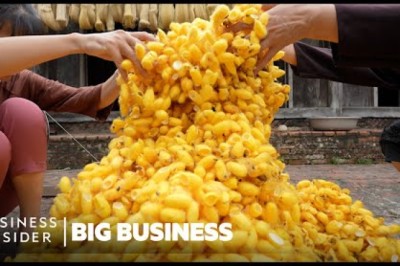
How Mountains Of Worm Cocoons Are Turned Into Expensive Silk In Vietnam
Silk craft villages have dotted Vietnam for hundreds of years. They make silk by hand in a tedious 30-step process. Craftspeople feed the silkworms every four hours so they spin brilliantly yellow cocoons. And turning those cocoons into silk is even more...
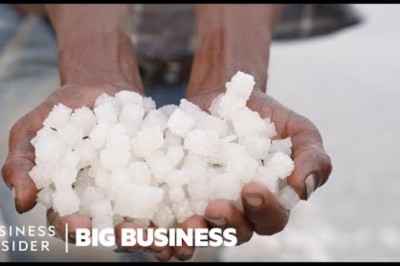
Why Salt Farmers Risk Their Lives To Harvest Desert Salt For $4 A Ton
India is one of the world's top salt producers. Most of the country's salt comes from the desert of the Little Rann of Kutch.
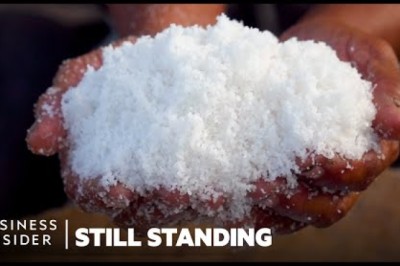
How One Of The Rarest Salts In The World Goes From Ocean To Table
Balinese palung salt is made by harvesting seawater from Bali's beaches and evaporating the water using coconut tree trunks. We visited Kusamba village in Bali to see how a community of coastal farmers are preserving their ancient salt-making methods.
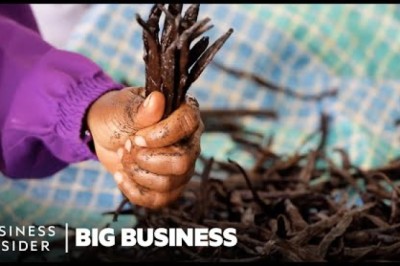
Vanilla Is The 2nd Most Expensive Spice. So Why Do Madagascar's Farmers Live In Poverty?
Vanilla is one of the world's most expensive spices because it's so labor-intensive to grow.

Why Pearl Lobsters Are So Expensive
Tropical rock lobsters, or pearl lobsters, as they're better known, are one of the rarest and most expensive lobster varieties. The colorful crustaceans are so valuable that there have been international smuggling attempts of its larvae.
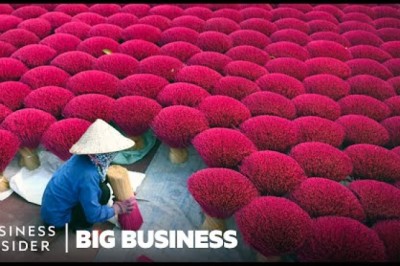
How 5,000 Villages Keep Rare Crafts Alive In Vietnam
There are reportedly more than 5,000 villages across Vietnam working on traditional crafts like incense sticks and fishing baskets. Some are part of a government program that has generated about $1 billion a year in exports. We traveled across Vietnam to...

Why South Sea Pearls Are So Expensive
South Sea pearls are the largest cultured-pearl variety, sometimes reaching over 20 millimeters in diameter.
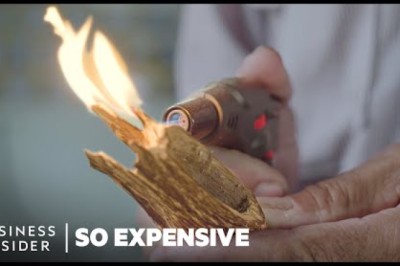
Why 4 Of The World’s Priciest Scents Are So Expensive
First, we’re heading to the rainforest of southeast Asia to see why infected agarwood can sell for as much as $100,000 per kilogram.

Why Steinway Grand Pianos Are So Expensive
From finishing each piece with a glossy shine to cutting down blocks of wood by hand — it takes over 200 artisans to craft just one Steinway grand piano. Steinway is one of the most famous piano brands in the world, and depending on the model, it can be o...
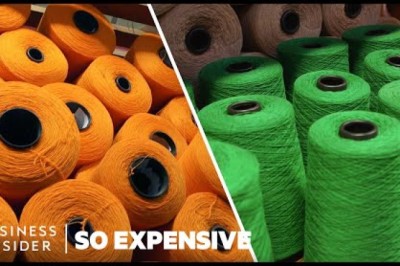
Why Cashmere Is So Expensive
Cashmere is one of the most sought-after fibers in the world. It's fine hairs are softer, lighter, and can be up to three times more insulating than sheep wool. It has been a prized material for centuries, but its quality comes at a cost and a luxury cash...
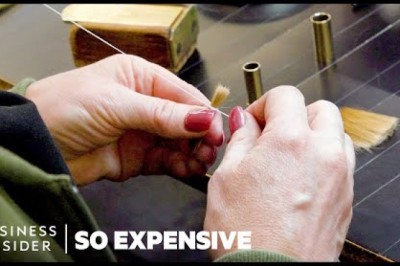
Why Kolinsky Sable Brushes Are So Expensive
Originally created on the request of Queen Victoria, Winsor & Newton Series 7 brushes were first made in 1866, and were designed to be the finest possible brush for watercolor painting. But making a Series 7 Kolinsky Sable watercolor brush isn’t easy,...





