

Tag: Business Insider

How Descendants Of Taj Mahal Artisans Are Keeping Marble Inlay Work Alive
Parchin kari, or pietra dura in Italian, is the art of marble inlay, which involves carving out marble slabs and inserting precious and semiprecious stones to create elaborate floral and geometric patterns.
Why Hagoromo Chalk Is So Expensive
Hagoromo has been described as "the Rolls-Royce" of chalk." The formerly Japanese, now Korean brand's chalk is known for its smooth consistency, vibrancy, and being nearly dust-free.
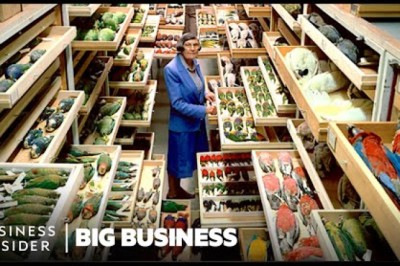
Why 99% Of Smithsonian's Specimens Are Hidden In High-Security
The Smithsonian Natural History Museum houses 147 million specimens — everything from pickled animals to priceless gems to dinosaur bones. But less than 1% of it's on display. The rest is hidden behind the scenes in what's called collections.

War Nearly Killed This Vietnamese Art. Meet One Family Keeping It Alive
Dong Ho is a traditional Vietnamese folk art.
How This 300-Year-Old Pastel Stick Maker Creates Nearly 2,000 Colors — More Than Its Competitors
Henri Roché pastels are highly coveted for their particular texture, ability to adhere to most mediums, and intensity of colors.

How the World’s Oldest Hat Shop Has Stayed in Business for Nearly 350 Years
Lock & Co. Hatters in London has been designing and selling high quality hats since 1676. It has served celebrities and royalty throughout history, withstood a bombing in WWII, and now survived the Covid-19 pandemic which was the first time in history...

How One Man In Egypt Is Keeping This 200-Year-Old Tile Tradition Alive
Saied Hussain has been hand making tiles out of cement for over 50 years. He says he’s one of the last still doing this work in Egypt — most other workshops couldn't withstand competition from marble and ceramic tiles. We went to Cairo to see how his busi...
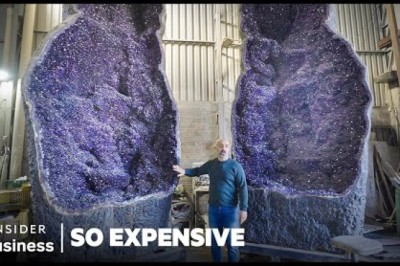
How Miners Find, Cut, And Transport The Most Expensive Amethysts In The World
Amethyst is one of the most abundant crystals in the world. But the most prized pieces can cost almost a million dollars. Some of the world’s largest amethyst geodes come out of Artigas, Uruguay. The earth beneath this region is uniquely suited to produci...
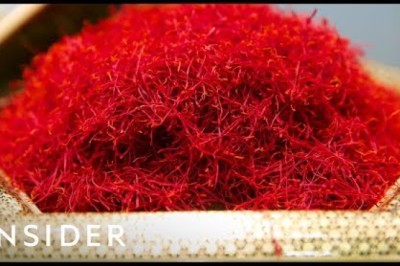
Why Saffron Is The World's Most Expensive Spice
Harvesting saffron requires a lot of physical labor to get the flowers from the field to final packaging. The harvesting process plus its distinct flavor, smell, and color make it the most expensive spice in the world. It's used in kitchens across the wor...
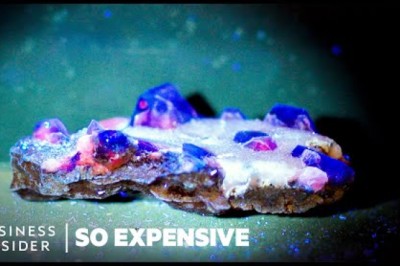
Why Benitoite Gemstones Are So Expensive
enitoite is a small blue gemstone with unique properties, like sparkling brighter than diamonds. Those properties make it expensive: a single carat can cost over $12,000. But you can only really find this gem in one place. It's California’s state gem beca...
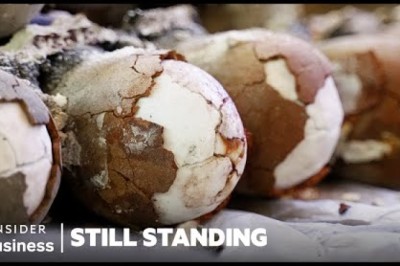
This “Dinosaur Egg” Is One of the Rarest Salts in the World
Asin tibuok, nicknamed the dinosaur egg, is one of the rarest salts in the world. In the 1960s, salt-making families in the Philippine island of Bohol would trade it for food and other goods. But the craft nearly disappeared in the late 20th century when...
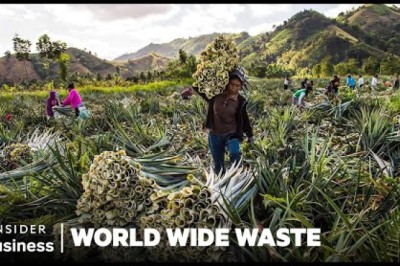
How People Profit Off Pineapple Scraps
Nearly half of every pineapple you eat ends up in the trash. But now, companies across the globe are turning the inedible parts of the fruit into textiles, plates, soap, and more.

How The Oldest Chocolate House In New York City Survived A Century
Li-Lac Chocolates is Manhattan’s oldest chocolate shop, having survived decades of change in New York City. Since Li-Lac opened in 1923, owners have stuck to the founder’s original chocolate recipes while adding new confections along the way.
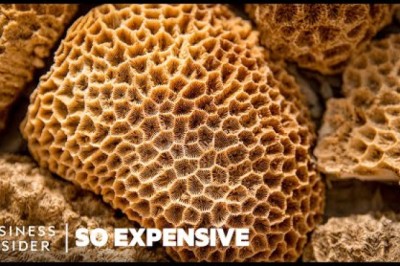
Why Sea Sponges Are So Expensive
You can pick up a synthetic sponge for just a few dollars. But a natural sea sponge, hand-harvested from the Mediterranean seafloor, could set you back $30. Harvesting these sponges is dangerous, and the risks don’t guarantee big rewards.
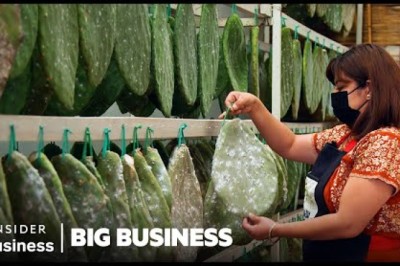
Why Tiny Cactus Bugs In Red Food Dye Are A $35 Billion Industry
Cochineals are tiny bugs that live on prickly pear cactuses. The acid in their guts makes a red dye used in textiles, cosmetics, and foods like M&Ms and Yoplait yogurt. Indigenous people across Latin America traded it for thousands of years. It can be...





