

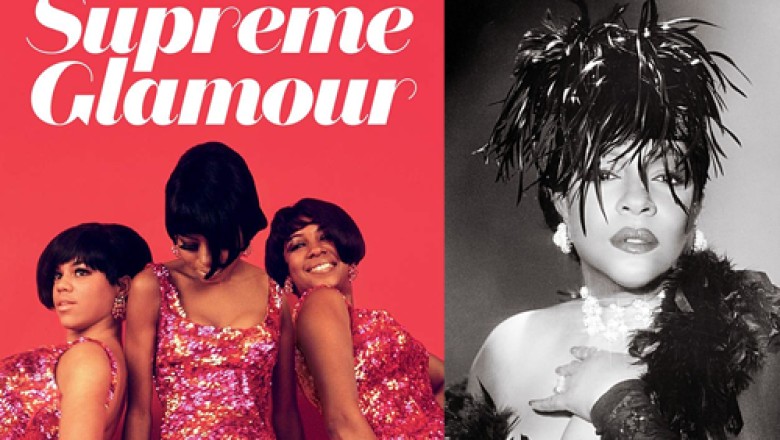

In Supreme Glamour, Mary Wilson proves that fashion is never just fabric—it’s power, presentation, and protest stitched together with rhinestones.
This book is less a memoir and more a visual love letter to style as storytelling.
Drawing from her personal archive, Wilson opens the closets of history to reveal the gowns, silhouettes, and stage looks that helped define The Supremes as much as their sound did. At a time when Black women were rarely allowed glamour without qualification, The Supremes walked onstage draped in elegance, polish, and intention—and changed the visual language of pop music forever.
Supreme Glamour chronicles the evolution of that look: from early Motown restraint to full-blown international sophistication. Wilson details how fashion became a strategic tool—used to command respect, cross racial barriers, and assert dignity in rooms that weren’t always welcoming. Every bead and hemline carried weight.
What makes the book especially compelling is Wilson’s insistence on authorship. These were not passive costumes handed down from above; they were collaborative creations shaped by ambition, experimentation, and self-definition. Designers, stylists, and the women themselves worked in conversation, crafting an image that balanced accessibility with aspiration.
The photographs—lush, dramatic, and unapologetically glamorous—do more than dazzle. They document a cultural shift. Supreme Glamour places The Supremes firmly within the lineage of fashion icons, showing how their look influenced runway trends, pop stars, and the idea that elegance itself could be revolutionary.
Beyond nostalgia, the book reads as a cultural archive. Wilson frames fashion as history you can see—proof of presence, success, and survival. In doing so, she preserves not just the dresses, but the meaning behind them.
Ultimately, Supreme Glamour is about visibility. It’s about Black women claiming space, beauty, and authority in a world that often tried to minimize all three. Mary Wilson doesn’t just show us what The Supremes wore—she shows us why it mattered.
This book is essential reading for fans of Motown, fashion history, pop culture, and anyone who understands that sometimes a gown can be as powerful as a song.
Mary Wilson on The Talk [January, 2020]