


Origins and Architectural Splendor
Erected in 1929, the Hollywood Tower, originally christened "La Belle Tour," stands proudly at 6200 Franklin Avenue in Hollywood, California. Designed by the esteemed architectural duo Cramer & Wise, the building showcases a captivating blend of French Normandy and Renaissance styles—a testament to the opulence of the era. Its V-shaped structure, adorned with intricate details, quickly became a beacon of luxury and sophistication.
The tower's prominence was further accentuated by its iconic neon "HOLLYWOOD TOWER" sign, a luminous landmark visible to motorists traversing the Hollywood Freeway. This sign not only marked the building's physical presence but also symbolized its integral role in the Hollywood narrative.
A Haven for Hollywood's Elite
During Hollywood's "Golden Age," the tower served as a luxurious residence for many in the entertainment industry. Its proximity to major studios made it an ideal abode for actors, directors, and other luminaries seeking both convenience and elegance. Notable residents included actor George Raft, who not only lived there but also held an ownership stake in the building.
The building's allure was immortalized in literature as well. In her novel Stormy Weather, Paula L. Woods described it as "a last vestige of an earlier era," highlighting its enduring charm amidst the ever-changing Hollywood landscape.
Trials, Transformations, and Triumphs
Over the decades, the Hollywood Tower witnessed several ownership changes and underwent various renovations to preserve its grandeur. In the late 1930s, the building's name was changed from La Belle Tour to Hollywood Tower, a rebranding that coincided with the installation of its now-famous neon sign.
The 1970s brought challenges, including the implementation of rent control in Los Angeles, which impacted the building's profitability. However, adaptive strategies, such as catering to senior citizens, ensured its continued relevance.
In 2007, the tower was sold for $34.5 million to Alliance Residential, which invested over $1 million in renovations. By 2015, MWest Holdings acquired the property, further enhancing its amenities and restoring its historic features.
Cultural Significance and Pop Culture Presence
The Hollywood Tower's distinctive architecture and storied past have made it a muse for various cultural endeavors. Most notably, it served as an inspiration for Disney's Twilight Zone Tower of Terror attractions, with its eerie facade and vintage charm echoing the allure of the original structure.
The building has also graced the silver screen, appearing in films such as Devil's Cargo (1948), Body Double (1984), and Disney's Midnight Madness (1980), further cementing its place in Hollywood lore.
Present-Day Prestige
Today, the Hollywood Tower continues to exude its historic charm while offering modern amenities to its residents. The building boasts recently renovated apartments that retain their vintage character, complete with French Norman architectural details. Residents can enjoy rooftop gardens, a subterranean garage, and a host of contemporary conveniences, all while basking in the ambiance of a bygone era.
A Timeless Testament to Hollywood's Legacy
The Hollywood Tower stands as a tangible link to the glamour and grandeur of early Hollywood. Its walls have echoed with the footsteps of legends, its halls have witnessed the evolution of an industry, and its silhouette continues to grace the Los Angeles skyline. In a city where change is constant, the Hollywood Tower remains a steadfast emblem of elegance, history, and the enduring allure of Tinseltown.
The Fictional Facade: Hollywood Tower Hotel
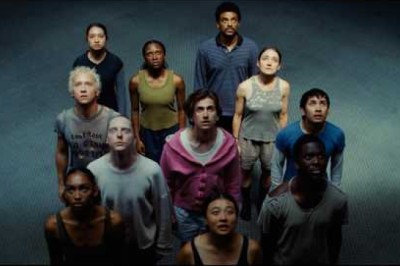
Nestled at the end of Sunset Boulevard in Disney's Hollywood Studios, the Hollywood Tower Hotel is the eerie centerpiece of the Twilight Zone Tower of Terror attraction. Designed to emulate a 1930s-era hotel, it exudes an air of faded opulence, with its Moorish Revival architecture and art deco details. The hotel's backstory tells of a fateful Halloween night in 1939 when a lightning strike caused an elevator to plummet, resulting in the mysterious disappearance of five guests. Since then, the hotel has stood abandoned, a haunting reminder of that tragic evening.
The Ride: Twilight Zone Tower of Terror
Debuting in 1994 at Disney's Hollywood Studios, the Twilight Zone Tower of Terror is a thrilling drop tower ride that immerses guests in a narrative inspired by Rod Serling's classic television series. Riders enter the decrepit hotel, board a service elevator, and experience a series of supernatural events culminating in a sudden, stomach-dropping plunge. The attraction's meticulous attention to detail, from the cobweb-laden lobby to the vintage furnishings, creates an atmosphere that's both nostalgic and spine-chilling.
Beyond the Park: Cultural Impact
The allure of the Hollywood Tower Hotel extends beyond the theme park. In 1997, Disney released a made-for-TV movie titled "Tower of Terror," starring Steve Guttenberg and Kirsten Dunst. The film explores the mystery behind the hotel's haunting, offering fans a deeper dive into its fictional lore.
A Lasting Legacy
The Hollywood Tower Hotel stands as a testament to Disney's ability to blend storytelling with immersive experiences. Its rich narrative, architectural authenticity, and thrilling ride mechanics have cemented its status as a beloved attraction. Whether you're a fan of classic Hollywood, supernatural tales, or adrenaline-pumping rides, the Hollywood Tower Hotel offers a little something for everyone.
So, next time you find yourself at Disney's Hollywood Studios, dare to check in. Just remember: the elevator's service can be... unpredictable.
Hollywood Tower | Look At This!
Hollywood Tower, Los Angeles, California
Tower of Terror - Original Disney Drop Tower! - Disney's Hollywood Studios, WDW 2025 POV