

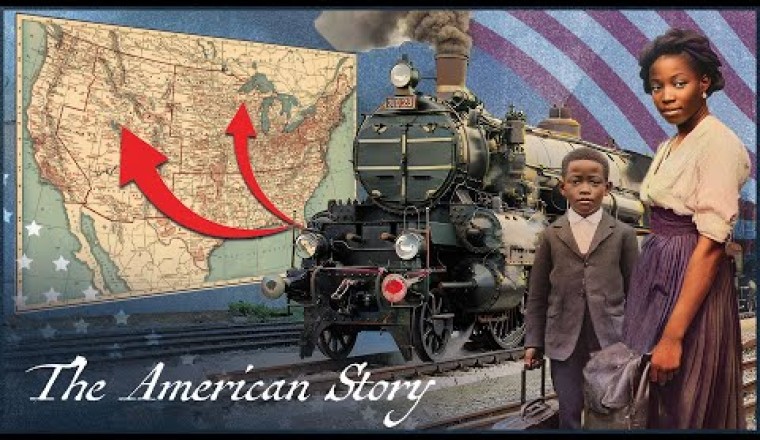

The Great Migration was a massive movement of African Americans from the rural Southern United States to urban areas in the North and West between 1910 and 1970 (Some say between 1916 - 1970).
This migration happened in two major waves:
- First Great Migration (1910–1940): About 1.6 million African Americans moved from the South to cities like Chicago, Detroit, New York, and Philadelphia. This was driven by factors such as:
- Escaping racial violence (Jim Crow laws, lynchings).
- Seeking better job opportunities, especially in industries booming due to World War I.
- Avoiding economic hardships like sharecropping and debt peonage.
- Second Great Migration (1940–1970): Another 5 million African Americans moved, expanding destinations to West Coast cities like Los Angeles, Oakland, and Seattle. This wave was fueled by:
- World War II industrial jobs (factories, shipyards, and wartime industries).
- Growing civil rights movements that encouraged relocation for better social and economic opportunities.
Impact of the Great Migration
- Cultural Boom: It helped spark the Harlem Renaissance, jazz, and the growth of Black urban culture.
- Civil Rights Movement: Migration helped shift political power, contributing to the push for civil rights legislation.
- Urbanization: Many U.S. cities saw significant demographic changes, leading to both new opportunities and racial tensions.