

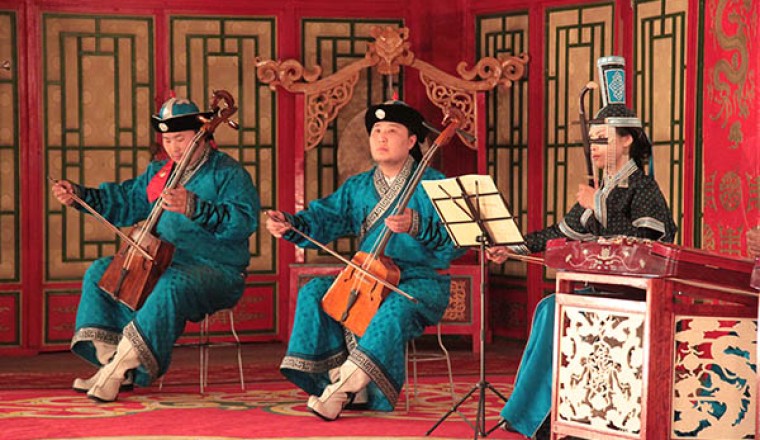

Mongolian throat singing, known as Khöömei (or Höömii), is an ancient vocal tradition with roots in Mongolia and surrounding regions, including Tuva, Inner Mongolia (China), and parts of Siberia. It is an extraordinary art form in which singers produce two or more vocal tones simultaneously by manipulating their vocal cords, throat, and mouth.
Origins
- Nomadic Culture: Throat singing is deeply tied to the nomadic lifestyle and the natural environment of the Central Asian steppes. It mimics and pays homage to the sounds of nature, including the wind, rivers, mountains, and animal calls, particularly horses and camels.
- Spiritual Roots: In its early forms, throat singing was connected to animistic and shamanistic practices, where it was believed to communicate with spirits of nature or invoke spiritual forces.
- Geographical Influence: The wide-open landscapes and the resonant acoustics of Mongolia's mountains and valleys likely influenced its development, providing natural reverberation that enhanced the singing.
Techniques
Throat singing involves producing a fundamental pitch while amplifying overtones. The main styles include:
- Khöömei: A middle-pitched style, considered the most common and balanced.
- Kargyraa: A deep, growling style with a bass-like quality.
- Sygyt: A high-pitched, whistling sound, resembling birdsong.
- Borbangnadyr: A warbling style that mimics the sound of flowing water.
- Ezengileer: A rhythmic style inspired by horseback riding.
Cultural Significance
- Social Role: Historically, throat singing was performed by herders during their solitude in the vast steppes. It served as a way to connect with their surroundings and express emotions.
- Oral Tradition: It was primarily passed down orally through generations, often from father to son or teacher to student.
- Symbol of Heritage: Throat singing is an emblem of Mongolian identity, reflecting the connection between humans and nature.
Modern Evolution
- Global Recognition: Throat singing gained international attention in the 20th century through cultural exchanges and performances. The Tuvan and Mongolian styles became particularly well-known in the 1980s and 1990s.
- UNESCO Recognition: In 2010, Mongolian Khöömei was inscribed on the UNESCO Representative List of the Intangible Cultural Heritage of Humanity.
- Contemporary Fusion: Today, throat singing is integrated into modern music, including rock, electronic, and world music genres. Artists like The Hu, a Mongolian rock band, have popularized it globally.
Preservation and Challenges
- Efforts to Preserve: Cultural organizations and governments in Mongolia and Tuva are actively promoting the art form through festivals, competitions, and educational programs.
- Urbanization: The decline of nomadic traditions and increasing urbanization pose challenges to the survival of throat singing. However, its global popularity has helped sustain interest.
Throat singing remains a mesmerizing and evocative link to Mongolia's rich cultural and natural heritage, continuing to inspire and connect audiences worldwide.
Bukhu "River"
Bukhu on The Voice Australia