
Long before smartphones and video games, there was the sharp crack of dominoes slamming onto a kitchen table. Also known affectionately as “bones,” dominoes has been played for centuries in homes, barbershops, family reunions, and neighborhood gatherings around the world. The game blends luck, strategy, memory, and just a little bit of swagger. Whether played casually or competitively, dominoes remains one of the most enduring tabletop games ever created.
What Are Dominoes?
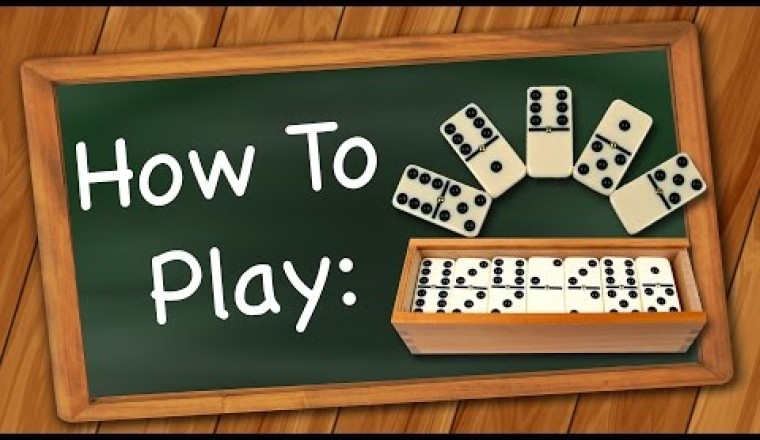
A standard domino set contains rectangular tiles divided into two square ends. Each end displays a number of dots, called “pips,” ranging from blank to six in a traditional double-six set. This creates 28 unique tiles total.
Some larger sets use numbers beyond six, but the classic double-six set is the most common for beginner games.
The Goal of the Game
The objective in most domino games is simple: be the first player to get rid of all your tiles or end the round with the fewest points remaining in your hand.
There are many regional versions of dominoes, but the most widely played basic game is called Draw Dominoes or Block Dominoes.
Basic Setup
- 2 to 4 players can play
- All dominoes are placed face down and shuffled
- Each player draws tiles:
- 2 players: 7 tiles each
- 3 or 4 players: 5 tiles each
- Remaining tiles stay face down in a “boneyard” for drawing later
That “boneyard” is where the nickname “bones” comes from — though some historians also connect the name to old ivory or bone-made domino pieces.
Starting the Game
The player holding the highest double tile usually goes first.
Examples:
- Double-six beats double-five
- Double-five beats double-four
If nobody has a double, the player with the highest total tile starts.
The first tile is placed in the center of the table.
How to Play
Players take turns matching one end of a domino already on the table.
For example:
- If the open end is a 6, you must play a tile containing a 6
- Matching numbers must touch
The chain of dominoes grows outward as the game continues.
Example:
If the layout ends with:
- 6|4
You may play:
- 4|2
- 4|4
- 4|0
But not:
- 5|1
Nope. The table rejects your nonsense. Dominoes can be ruthless.
Drawing From the Boneyard
If a player cannot make a move:
- In Draw Dominoes, they draw tiles from the boneyard until they can play
- In Block Dominoes, they simply pass their turn
Winning the Round
A round ends when:
- A player uses all their dominoes
- Nobody can make another move
If the game becomes blocked, players count the dots remaining in their hands. The player with the lowest total wins the round.
Scoring
Basic scoring:
- Winner earns points equal to the total dots left in opponents’ hands
Example:
- Opponent 1 has 12 points left
- Opponent 2 has 9 points left
- Winner earns 21 points
Games are often played to:
- 50 points
- 100 points
- or 200 points
Depending on how serious the table gets.
Popular Domino Terms
- Double: A tile with matching numbers, like 5|5
- Spinner: In some versions, doubles can branch the layout in multiple directions
- Boneyard: The draw pile
- Blocking: Preventing opponents from making plays
- Counting: Remembering which numbers have already been played
Why Dominoes Endures
Dominoes is more than a game. It is rhythm, conversation, psychology, mathematics, and tradition all wrapped into one little tile. Every table develops its own personality. Some games are quiet and strategic. Others sound like thunder with laughter, trash talk, and dramatic tile slamming worthy of a Broadway finale.
Simple to learn yet endlessly strategic, dominoes continues to connect generations across cultures — one satisfying click at a time.