
The Roots of Black Masking
New Orleans has always been a city where art, music, and tradition entwine into something larger than life. Few traditions embody this more vividly than Black Masking, often referred to as the Mardi Gras Indian culture. At its heart stands Demond Melancon, Big Chief of the Young Seminole Hunters, whose artistry has brought international attention to this centuries-old practice.
The Roots of Black Masking
Black Masking is a cultural expression that took root in the African American communities of New Orleans. It draws from African traditions, Native American alliances, and Creole culture. Historically, it is said to honor Native peoples who aided enslaved Africans seeking freedom. Over time, it grew into a ritual of resilience, pride, and artistic mastery.
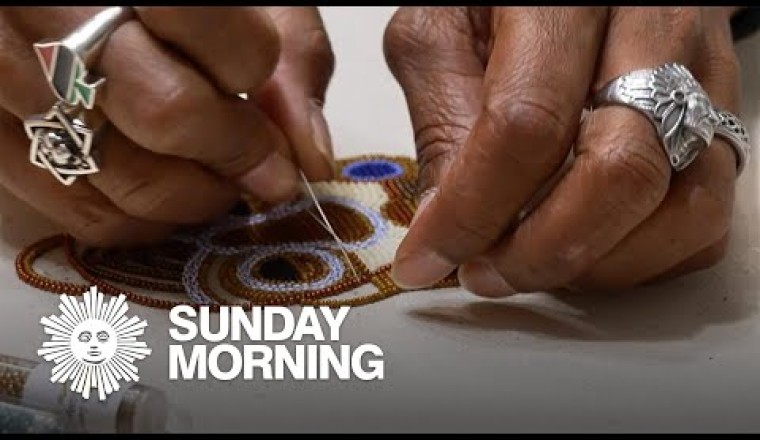
The suits—sometimes weighing over a hundred pounds—are crafted anew each year. They are adorned with thousands of hand-sewn beads, rhinestones, sequins, and feathers, telling stories of ancestry, survival, and resistance. The process is painstaking, often taking thousands of hours, and the result is art that moves, breathes, and sings in the streets during Carnival.
Demond Melancon’s Legacy
Demond Melancon has become one of the most respected voices in this tradition. As Big Chief, he not only leads his tribe but also redefines the artistry of the suits. His designs often blend traditional imagery with modern themes, creating visual narratives that connect past and present. His beadwork has been exhibited in galleries and museums around the world, further proving that Black Masking is not just folk tradition but high art.
What makes Melancon’s work particularly compelling is his commitment to storytelling. Each suit is more than ornament—it is a text, a history book, a living archive of Black experience and resilience. In his hands, the needle and thread become tools of remembrance and reclamation.
Carnival and Beyond
On Mardi Gras morning, when Melancon steps out in full regalia, it is more than spectacle. It is a declaration of presence, pride, and cultural survival. The chants, drums, and dances that accompany Black Masking fill the air with something electric, something ancestral. It is a tradition that cannot be contained by time or geography.
Yet, beyond Carnival, Melancon is ensuring the continuity of the practice, mentoring younger artists and carrying Black Masking into new spaces—art institutions, international exhibits, and academic study. He proves that while the tradition is rooted in the streets of New Orleans, its impact reverberates far beyond.
A Living Legacy
Demond Melancon’s work reminds us that Black Masking is not relic or costume—it is living art. It is history you can see, touch, and dance alongside. Through his suits, the spirit of New Orleans sings in bead and feather, carrying forward a tradition of resistance, reverence, and radiant creativity.