
Part 1: Inferno (Hell)
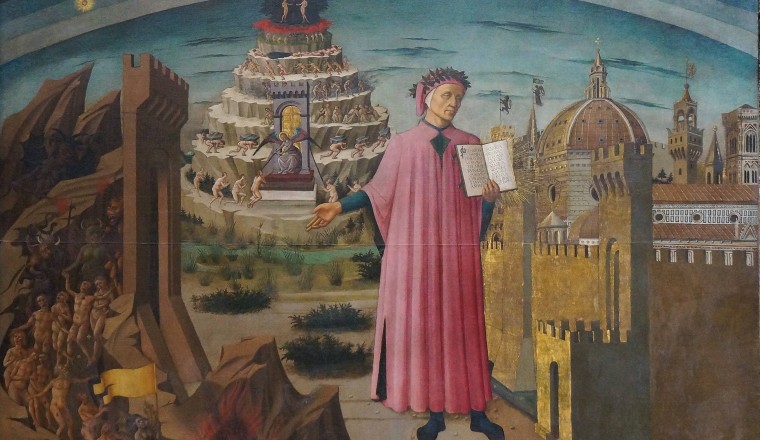
Dante, guided by the Roman poet Virgil, descends through the nine circles of Hell, where sinners are punished according to the severity of their sins. Each circle corresponds to a particular type of wrongdoing, with punishments that symbolize divine justice. The lowest circle, reserved for traitors, is a frozen lake where Satan himself is imprisoned. Inferno explores themes of sin, retribution, and moral consequence, offering a grim reflection on human corruption.
Check out the Visitor's Guide to Hell
Part 2: Purgatorio (Purgatory)
Emerging from Hell, Dante and Virgil ascend Mount Purgatory, where souls undergo purification before entering Heaven. The mountain is divided into terraces representing the seven deadly sins, with sinners progressing upward as they atone for their transgressions. Unlike Inferno, where souls are eternally damned, Purgatorio is a place of hope and transformation. As Dante climbs, he encounters figures who teach him about repentance, free will, and divine grace.
Check out the Visitor's Guide to Purgatory
Part 3: Paradiso (Heaven)
In the final stage of his journey, Dante is guided by Beatrice through the celestial spheres of Heaven, each representing increasing levels of virtue and closeness to God. Here, he encounters saints, theologians, and biblical figures who reveal the mysteries of divine wisdom. As he ascends, Dante’s understanding of love, faith, and the nature of the universe deepens. The journey culminates in the Empyrean, where Dante experiences the Beatific Vision—an indescribable encounter with God’s infinite light and love.
Check out the Visitor's Guide to Heaven
Themes and Significance
The Divine Comedy is more than a religious allegory; it is a profound reflection on human nature, justice, and the soul’s quest for salvation. Dante interweaves historical and contemporary figures into his narrative, making political and moral critiques relevant to his time. Written in the Italian vernacular rather than Latin, the poem helped shape the Italian language and remains one of the most influential works in Western literature.