
The Last Survivor of the Clotilda
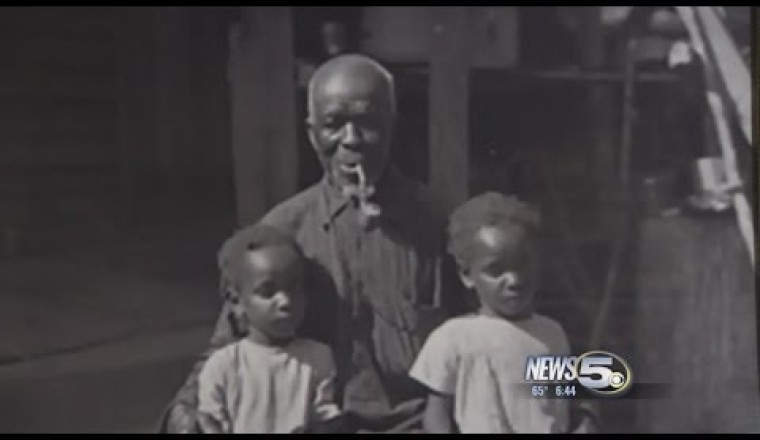
Cudjo Lewis, born Oluale Kossola around 1841 in what is now Benin, is remembered as one of the last survivors of the Clotilda—the final known slave ship to bring enslaved Africans to the United States. In 1860, decades after the international slave trade was outlawed, a wealthy Mobile, Alabama, shipowner named Timothy Meaher financed the illegal voyage. The Clotilda carried 110 captive Africans across the Atlantic under brutal conditions, hidden from authorities.
Among them was Cudjo, who was just a teenager when he was torn from his homeland, forced into bondage, and sold in Alabama. He lived through slavery, the Civil War, Emancipation, and Reconstruction, ultimately becoming a key figure in preserving the memory of this painful chapter in American history.
Founding of Africatown
After emancipation in 1865, Cudjo and other formerly enslaved Africans who arrived on the Clotilda faced the daunting task of starting anew in a foreign land. Longing to return to Africa but without the means to do so, they created a community for themselves on the outskirts of Mobile. They purchased land, established schools, churches, and businesses, and sought to preserve their African traditions and language.
This community became known as Africatown (sometimes called Africatown USA), a place where the descendants of the Clotilda survivors maintained cultural practices and passed down oral histories. Africatown stands as one of the most significant examples of self-determined Black communities in the post-slavery United States.
Cudjo Lewis’s Story Preserved
Cudjo lived to be over 90 years old, passing away in 1935. In his later years, he shared his story with writers, researchers, and journalists. His most notable recorded testimony came from author Zora Neale Hurston, who interviewed him in the late 1920s. Although her manuscript, Barracoon: The Story of the Last “Black Cargo”, remained unpublished until 2018, it provided a vivid and deeply personal account of the Middle Passage, slavery, and life after freedom from the perspective of someone who lived it.
Cudjo’s story has since become a cornerstone in the historical understanding of the transatlantic slave trade’s final chapter in the United States. His life bridges the gap between African heritage and African American identity, showing how memory and culture survived even under the harshest conditions.
Africatown’s Enduring Legacy
Africatown still exists today, though it has faced decades of economic decline, environmental struggles, and neglect. Despite these challenges, efforts are underway to preserve and honor its history. The discovery of the wreck of the Clotilda in 2019 reignited global interest, bringing new attention to Africatown’s story and the descendants who continue to fight for recognition, justice, and revitalization of their community.
For many, Africatown is not just a physical place but a living monument to resilience, survival, and cultural continuity. It stands as a reminder of both America’s darkest chapters and the enduring strength of those who refused to be erased from history.
The Legacy of Cudjo Lewis
The Last Ship to Bring Enslaved Africans to America Arrived in 1860
The Clotilda, Africatown and the Transatlantic Slave Trade