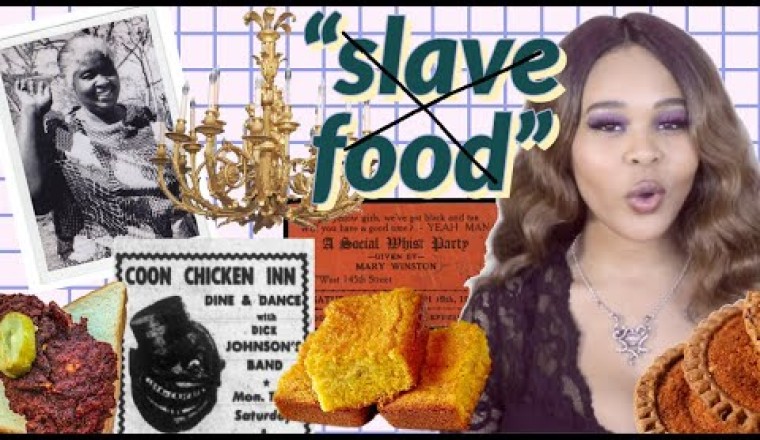

"Slave food" refers to the types of food historically consumed by enslaved people, particularly in regions like the Americas and the Caribbean during the transatlantic slave trade. Enslaved people were often given the least desirable or cheapest food available, which led to the development of creative and resourceful cooking techniques that influenced modern cuisines.
Common Aspects of "Slave Food"
- Scraps & Offcuts – Enslaved people were often given leftover or undesirable parts of animals, such as pig feet, intestines (chitterlings), or oxtails. These were transformed into flavorful dishes through slow cooking.
- Hearty, Starchy Foods – To sustain energy for labor, meals often included foods like cornmeal (used in cornbread and grits), rice, cassava, and plantains.
- Foraged & Grown Foods – Many enslaved individuals grew their own vegetables, foraged for wild greens, and used African crops brought over, such as okra, black-eyed peas, and yams.
- Preserved & Fermented Foods – Smoking, drying, and fermenting were common techniques for preserving food with limited resources.
- Spices & Seasoning – Despite limited access to ingredients, enslaved cooks used spices, herbs, and cooking techniques inherited from African traditions to enhance flavors.
Impact on Modern Cuisine
- Many traditional African American, Caribbean, and Southern dishes have roots in "slave food." Examples include gumbo, collard greens, Hoppin’ John, and jerk cooking.
- These survival foods have become cultural staples, celebrated for their resilience and rich flavors.
The evolution of "slave food" into modern cuisine is a story of resilience, cultural preservation, and culinary innovation. Many dishes that originated from the foodways of enslaved people have become iconic in African American, Southern, and Caribbean cuisine today.
Key Dishes with Roots in Slave Food
- Grits & Cornbread (U.S. Southern Cuisine)
- Origins: Enslaved people relied on cornmeal, as it was cheap and abundant.
- Evolution: Grits (boiled cornmeal) became a Southern breakfast staple, often paired with shrimp. Cornbread, initially a survival food, is now a beloved dish in soul food cuisine.
- Hoppin’ John (Southern U.S.)
- Origins: A dish of black-eyed peas, rice, and pork, derived from West African rice and bean dishes.
- Evolution: Traditionally eaten on New Year's for good luck, it remains a symbol of African American culinary heritage.
- Chitterlings ("Chitlins")
- Origins: Enslaved people were given pig intestines, which they cleaned, boiled, and seasoned to make edible.
- Evolution: Once a necessity, chitlins are now a delicacy served in soul food restaurants and during special occasions.
- Gumbo (Louisiana, Creole, and Cajun Cuisine)
- Origins: A fusion of West African (okra-based soups), Native American, and French influences.
- Evolution: Gumbo remains a signature Louisiana dish, with variations like seafood gumbo or sausage-based gumbo.
- Jerk Chicken (Caribbean)
- Origins: Maroon communities (escaped enslaved Africans in Jamaica) developed jerk seasoning using African, indigenous, and European spices.
- Evolution: Jerk chicken is now globally recognized as a bold, spicy dish and a staple of Jamaican cuisine.
- Callaloo (Caribbean & Southern U.S.)
- Origins: Derived from West African leafy green stews.
- Evolution: This dish, made with taro or amaranth leaves, remains popular in Caribbean and Southern African American cuisine.
- Sweet Potatoes & Yams
- Origins: Yams were a staple in West Africa. In the U.S., sweet potatoes replaced yams due to availability.
- Evolution: Candied yams are now a holiday favorite in soul food cuisine.
- Rice & Peas (Caribbean)
- Origins: Influenced by African rice dishes brought by enslaved people.
- Evolution: Rice and peas (often made with coconut milk) is a staple side dish in Caribbean meals.
Legacy and Influence
- Soul Food & Southern Cuisine: Many "slave foods" have been redefined as soul food, celebrated for their deep flavors and history.
- Caribbean Cuisine: Enslaved Africans introduced spices, cooking techniques, and food preservation methods that shaped Caribbean food.
- West African Influence: Many African food traditions survived and blended with European and Indigenous ingredients, creating unique hybrid cuisines.
MORE Black Food History
- Grits & Cornbread (U.S. Southern Cuisine)
- Origins: Enslaved people relied on cornmeal, as it was cheap and abundant.
- Evolution: Grits (boiled cornmeal) became a Southern breakfast staple, often paired with shrimp. Cornbread, initially a survival food, is now a beloved dish in soul food cuisine.
- Hoppin’ John (Southern U.S.)
- Origins: A dish of black-eyed peas, rice, and pork, derived from West African rice and bean dishes.
- Evolution: Traditionally eaten on New Year's for good luck, it remains a symbol of African American culinary heritage.
- Chitterlings ("Chitlins")
- Origins: Enslaved people were given pig intestines, which they cleaned, boiled, and seasoned to make edible.
- Evolution: Once a necessity, chitlins are now a delicacy served in soul food restaurants and during special occasions.
- Gumbo (Louisiana, Creole, and Cajun Cuisine)
- Origins: A fusion of West African (okra-based soups), Native American, and French influences.
- Evolution: Gumbo remains a signature Louisiana dish, with variations like seafood gumbo or sausage-based gumbo.
- Jerk Chicken (Caribbean)
- Origins: Maroon communities (escaped enslaved Africans in Jamaica) developed jerk seasoning using African, indigenous, and European spices.
- Evolution: Jerk chicken is now globally recognized as a bold, spicy dish and a staple of Jamaican cuisine.
- Callaloo (Caribbean & Southern U.S.)
- Origins: Derived from West African leafy green stews.
- Evolution: This dish, made with taro or amaranth leaves, remains popular in Caribbean and Southern African American cuisine.
- Sweet Potatoes & Yams
- Origins: Yams were a staple in West Africa. In the U.S., sweet potatoes replaced yams due to availability.
- Evolution: Candied yams are now a holiday favorite in soul food cuisine.
- Rice & Peas (Caribbean)
- Origins: Influenced by African rice dishes brought by enslaved people.
- Evolution: Rice and peas (often made with coconut milk) is a staple side dish in Caribbean meals.